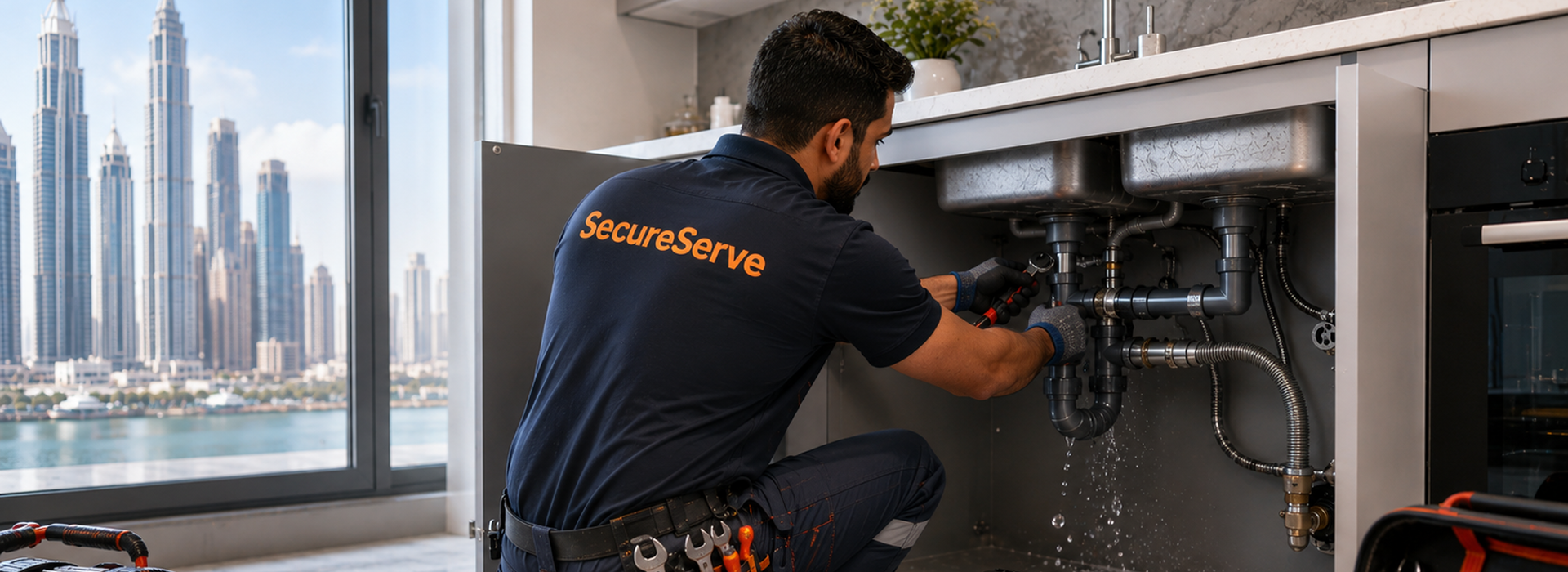
Introduction
A burst pipe at 2 AM. A blocked drain backed up into the kitchen the morning of a dinner party. A water heater that stops working in the middle of the week. Plumbing emergencies have a frustrating habit of arriving at the worst possible time – and in Dubai, where high-rise living, hard water, and relentless heat create a uniquely demanding environment for plumbing systems, the stakes can escalate quickly. Knowing how to find a reliable emergency plumber in Dubai before you are standing in an inch of water is not paranoia. It’s just smart home management. This guide covers everything you need to know: what counts as a plumbing emergency, how to respond, what a professional service actually involves, and how to protect your property from the most common issues before they become urgent.
What Qualifies as a Plumbing Emergency?
Not every plumbing problem needs immediate attention, but some genuinely cannot wait until morning. Being able to distinguish between the two saves money and prevents unnecessary stress.
Situations that warrant calling a 24-hour plumber in Dubai immediately include:
- Burst or severely leaking pipes – water can damage walls, flooring, electrics, and neighbouring units within minutes in an apartment block
- Complete blockage of toilets or sewage backing up – a health and sanitation risk that requires urgent attention
- No water supply to the entire property – particularly serious if it affects a household with children or elderly residents
- A water heater leaking or showing signs of a pressure fault – beyond the inconvenience, a faulty heater can be a safety hazard
- Flooding in any room – whether from an overflowing tank, broken appliance connection, or pipe failure
Issues that can reasonably wait for a scheduled appointment – a slow-draining sink, a slightly dripping tap, or a toilet that runs longer than it should – are better handled through a booked plumbing maintenance visit rather than an emergency call-out, which typically carries a premium charge.
Why Dubai Homes Are Particularly Vulnerable to Plumbing Failures
Dubai’s infrastructure is modern and well-maintained overall, but certain conditions make residential plumbing more susceptible to problems than in many other cities.
Hard Water and Mineral Buildup
Dubai’s tap water has a notably high mineral content. Over time, calcium and magnesium deposits build up inside pipes, taps, water heaters, and appliances – a process called scaling. This gradually reduces water pressure, shortens appliance lifespan, and can eventually block pipes entirely. It’s one of the primary reasons water heater repair in Dubai is such a common request: hard water accelerates corrosion inside tanks and heating elements, triggering failures well before the unit’s rated lifespan.
High-Rise and Shared Plumbing Systems
In apartment blocks – which make up a significant proportion of Dubai’s residential stock – plumbing systems are shared across multiple floors. A blockage or leak in one unit can quickly affect neighbours above and below. This interconnected nature means that a small, ignored problem can become a building-wide issue. Residents in towers across JLT, Dubai Marina, and Downtown are especially familiar with this reality.
Extreme Temperature Fluctuations
While Dubai doesn’t experience the freezing winters that crack pipes in colder climates, the intense summer heat places its own stress on plumbing. Pipes in exposed rooftop areas or on the outer walls of buildings can expand significantly, leading to joint failures and micro-leaks over time. Seasonal pressure shifts as buildings heat up and cool down are a contributing factor in many gradual pipe failures.
Ageing Fixtures in Older Buildings
Dubai has expanded rapidly over the past two decades, and many of the city’s earlier residential developments are now 15 to 20 years old. Original plumbing fixtures, seals, and connectors in these buildings are approaching or exceeding their useful lifespan – making proactive maintenance especially important for residents in older communities.
What to Do While Waiting for an Emergency Plumber
Once you’ve placed the call, there are several practical steps that can limit damage while you wait for the technician to arrive.
- Shut off the water supply: Locate the isolation valve for the affected fixture or the main stopcock for your unit and turn it off. In most Dubai apartments, the main valve is under the kitchen sink or in a utility cupboard.
- Turn off the water heater: If there’s any chance the leak is connected to or near the heater, switching it off prevents overheating and further damage.
- Move valuables and electronics: Water and electronics don’t mix. Clear the area of anything that could be damaged.
- Document the damage: Take photos and videos before any cleanup – useful for insurance claims if the damage is extensive.
- Inform building management: In a managed building, the facilities team should be notified immediately, particularly if there’s any risk of the issue spreading to other units.
These steps won’t fix the problem, but they can significantly reduce the extent of damage between the moment you discover the issue and the arrival of a qualified plumber.
What a Professional Emergency Plumbing Service Should Cover
When you call for Emergency plumbing services in Dubai, you should expect more than someone arriving with a wrench. A qualified technician will assess the full situation – not just patch the visible symptom- and provide a clear picture of what caused the problem, what needs to be done, and what it will cost before work begins.
A proper emergency call-out should include:
- Rapid diagnosis of the root cause, not just the visible symptom
- Leak detection – including the use of non-invasive tools where walls or floors may be involved
- Pipe repair or replacement as required
- Drain unblocking using appropriate equipment (rods, high-pressure jetting, or CCTV inspection for persistent blockages)
- Water heater assessment – with clear advice on whether repair or replacement is the better option
- A post-job report noting any further issues observed that may need attention
The best plumbers in Dubai don’t just resolve the immediate crisis – they leave you with a clear understanding of your system’s condition and what preventative steps make sense going forward.
Water Heater Problems: Repair or Replace?
Water heater issues are among the most frequent reasons residents call for urgent plumbing help in Dubai. The combination of hard water, high usage, and ageing units means failures are common – and the decision between repair and replacement isn’t always straightforward.
In general, repair makes sense when:
- The unit is less than 5–6 years old
- The issue is a faulty element, thermostat, or pressure relief valve – components that are cost-effective to replace
- There’s no structural corrosion or tank damage
Water heater replacement in Dubai is usually the better long-term decision when:
- The unit is over 8 years old and experiencing its first significant fault
- There is visible rust, sediment discharge, or a persistent leak from the tank body itself
- Repair costs exceed 50–60% of the cost of a new unit
A reliable plumbing company will give you an honest recommendation rather than defaulting to replacement as the more profitable option. Ask for both options with their respective costs before making a decision.
How to Choose a Trustworthy Plumbing Company in Dubai
With the number of maintenance companies operating across the city, quality varies significantly. Here’s what to look for when selecting a provider for either emergency or routine plumbing work.
- Availability and response time: For emergencies, response time is everything. Ask whether the company genuinely operates 24 hours a day or whether after-hours calls are routed to a slower response team.
- Licensed technicians: Plumbing work in Dubai should be carried out by technicians with the relevant trade certifications. Always confirm this before authorising work, particularly for anything involving water heaters or gas.
- Transparent pricing: Emergency call-outs typically cost more than regular appointments – that’s standard. But a reputable provider will give you a clear quote before starting work, not a surprise invoice after.
- Local knowledge: A company with experience across Dubai’s residential communities – from JLT and Dubai Marina to Palm Jumeirah and Mirdif – will have practical knowledge of the specific plumbing layouts, water pressure norms, and common issues in each area. If you are searching for a plumber in Dubai Marina or a plumbing service in Dubai JLT, look for providers with a visible presence and a genuine track record in those communities.
- Post-service accountability: Reputable companies offer a guarantee on their work and will return to address any issue that arises from the repair within a reasonable period.
SecureServe is one of Dubai’s established maintenance providers offering structured plumbing services – from emergency call-outs through to scheduled maintenance contracts – with coverage across major residential communities.
Preventing Plumbing Emergencies: A Practical Checklist
The most effective way to deal with a plumbing emergency is to prevent it from happening in the first place. Most major failures begin as small, detectable issues that are easy to address early.
- Check under sinks and around toilets monthly for signs of slow leaks or moisture accumulation
- Descalcify taps, showerheads, and the water heater inlet annually – hard water buildup is relentless in Dubai
- Schedule a full plumbing inspection every 12–18 months, especially in buildings over 10 years old
- Never pour grease or cooking oil down the kitchen drain – it solidifies inside pipes and is a leading cause of blockages
- Install a mesh strainer in the shower and bath drains to prevent hair and soap buildup
- Monitor your water bill for unexplained increases – a steady rise with no change in usage is often the first sign of a slow internal leak
Consistent plumbing maintenance is far less expensive than emergency repairs. A few hundred dirhams a year on inspections and minor fixes can prevent costs that run into thousands, not to mention the disruption of a major water incident in your home.
Final Thoughts
Plumbing problems are an inevitable part of property ownership in Dubai. The city’s hard water, high-rise infrastructure, and year-round heat create conditions that test pipes, fittings, and appliances in ways that residents in other cities don’t experience. The good news is that with the right information and the right service provider, most emergencies can be resolved quickly – and many can be prevented entirely.
Whether you are dealing with a burst pipe at midnight or planning a routine maintenance check, the key is having a trusted plumbing company in Dubai on hand before the need becomes urgent. Do your research now, save the number, and make sure whoever you choose has the availability, the credentials, and the local knowledge to handle whatever your building throws at them. SecureServe Maintenance offers exactly that – a professional, round-the-clock plumbing service built for Dubai’s demanding residential and commercial environment.