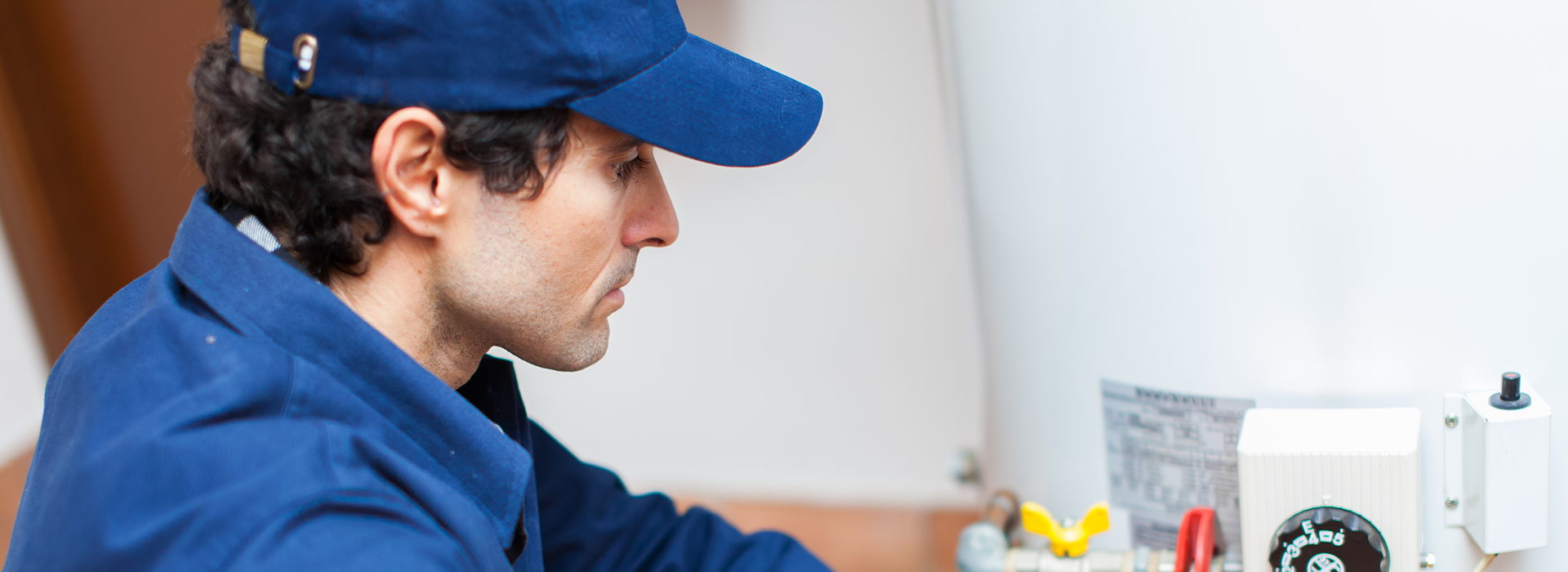
If you have ever stepped into the shower expecting warm water only to be hit by an icy blast, you understand how disruptive a faulty water heater can be. Water heater repair in Dubai is more common than most residents realise – and for good reason. The city’s extreme heat, hard water supply, and high-usage households all take a toll on water heating systems over time. Whether you are dealing with inconsistent temperatures, strange noises, or a unit that simply won’t turn on, this guide walks you through everything you need to know: from identifying the root cause to deciding when a repair is enough and when a full replacement makes more sense.
Why Dubai’s Climate Creates Unique Challenges for Water Heaters
Unlike temperate climates, where water heaters work hardest in winter, Dubai’s conditions create year-round stress on these appliances. Here’s what makes the UAE context different:
- Hard water and high mineral content: Dubai’s tap water has a high concentration of dissolved minerals, particularly calcium and magnesium. Over time, these minerals deposit as scale inside the tank and on heating elements, significantly reducing efficiency.
- Temperature extremes: Summer temperatures regularly exceed 45°C outdoors, which affects how rooftop or external units function – sometimes causing overheating or pressure build-up.
- High household usage: Multi-occupancy flats, large families, and live-in domestic staff all increase demand, accelerating wear on components.
- Dusty environment: Dust and sand can clog vents and air intakes, particularly on gas-fired or ventilated units.
Common Water Heater Problems in Dubai Homes
Understanding the symptoms is the first step toward an effective fix. Below are the most frequently reported issues:
1. No Hot Water at All
This is the most obvious sign that something has gone wrong. For electric heaters, the cause is often a burnt-out heating element or a tripped circuit breaker. For gas units, the pilot light may have gone out, or there could be a gas supply issue. Before calling for assistance, check your electrical panel and, if safe to do so, the pilot light status on your unit.
2. Water Is Warm, Not Hot
If the water is lukewarm rather than properly hot, the thermostat setting may be too low, or the thermostat itself may be malfunctioning. In Dubai, mineral scale build-up on heating elements is a very common culprit – it creates an insulating layer that reduces heat transfer efficiency. A descaling service or element replacement usually resolves this.
3. Discoloured or Rusty Water
Brown or rusty-coloured hot water is a sign that the tank interior is corroding. This often means the sacrificial anode rod – a component designed to prevent rust – has been fully depleted. If caught early, replacing the anode rod can extend the tank’s life considerably. If corrosion is advanced, a full unit replacement may be necessary.
4. Rumbling, Popping, or Banging Sounds
Strange sounds from your water heater are almost always linked to sediment accumulation at the base of the tank. When water is heated, it must bubble up through this sediment layer, creating those unsettling noises. A professional tank flush can often fix this. If left unaddressed, the sediment can cause overheating and eventually crack the tank.
5. Low Water Pressure or Weak Flow
Experiencing no water pressure in the shower or noticeably weak hot water flow? This could stem from a partially closed valve, a clogged inlet filter, or scale build-up inside the pipes connected to the heater. In some cases, the pressure relief valve (PRV) may also be malfunctioning, which is a safety concern that requires prompt attention.
6. Water Leaks Around the Unit
Any visible water pooling around the base of your heater should be treated urgently. Leaks can originate from loose pipe connections, a faulty temperature and pressure relief valve, or internal tank failure. A small connection leak can often be repaired, but internal tank leaks typically indicate it’s time for a replacement.
Repair vs. Replace: How to Decide
One of the most common questions homeowners ask is whether to repair the existing unit or invest in a water heater replacement in Dubai. Here’s a simple way to think about it:
- Age of the unit: Most electric water heaters in the UAE have a lifespan of 8–12 years. If yours is approaching or beyond this range and experiencing multiple issues, replacement is usually more cost-effective.
- Cost of repair vs. cost of new unit: As a rough rule, if the repair cost exceeds 50% of what a new unit would cost, replacement is the smarter investment.
- Frequency of breakdowns: If you are calling for repairs every few months, that’s a clear indicator that the system is failing.
- Energy bills increasing: A decline in efficiency often shows up in higher DEWA bills before other symptoms become apparent.
When an emergency water heater replacement is needed – such as a burst tank or a severe internal leak – it’s important to work with a team that can source and install a compatible unit quickly, without cutting corners on compliance or safety.
The Importance of Regular Tank Cleaning in Dubai
Given Dubai’s hard water supply, tank cleaning in Dubai is not optional – it’s essential preventive maintenance. Scale and sediment build-up inside water storage tanks can:
- Reduce heating efficiency and increase energy consumption
- Harbour bacteria, including Legionella, if water temperatures drop too low
- Cause premature corrosion and tank failure
- Restrict water flow and reduce pressure at outlets
Professional water tank cleaning in Dubai typically involves draining the unit, flushing out sediment, inspecting internal components, and refilling the system. For most households, an annual clean is sufficient; properties with older plumbing or higher usage may benefit from a six-monthly service.
Practical Maintenance Tips to Extend Your Water Heater’s Life
A little routine care goes a long way in a demanding environment like the UAE. Here are some practical steps you can take:
- Set the thermostat correctly: Keep the thermostat set between 55°C and 60°C. This prevents bacterial growth while avoiding excessive energy use and unnecessary pressure build-up.
- Test the pressure relief valve annually: Gently lift and release the PRV lever to ensure it opens and closes properly. If it leaks after testing, it needs replacing.
- Inspect the anode rod every 2–3 years: This sacrificial component protects the tank from corrosion. If it’s less than half an inch thick or coated in calcium, replace it.
- Flush the tank at least once a year: Attach a hose to the drain valve and let the water run until it’s clear. This removes sediment that causes noise and reduces efficiency.
- Check for visible corrosion and moisture: A quick visual inspection every month can help you spot small issues before they become expensive ones.
- Insulate exposed pipework: In buildings where pipes run through unshaded exterior areas, insulation prevents heat loss and reduces the workload on your heater.
When to Call a Professional – and What to Expect
Some issues can be managed by a confident homeowner, but others genuinely require a licensed professional. Contact a qualified technician when you experience:
- Any smell of gas near a gas-fired water heater
- A leaking tank or flooded area around the unit
- Complete loss of hot water with no obvious cause
- Electrical issues, such as tripping breakers or visible scorching near the unit
- Any situation where you are unsure of the safety of the system
For residents who need urgent assistance, emergency hot water repair services are available across Dubai. A reliable provider should be able to diagnose the issue quickly, carry common spare parts, and give you a transparent quote before starting any work. SecureServe offers professional water heater repair, installation, and maintenance services across Dubai, with a focus on transparent pricing and quality workmanship.
Considering a New Water Heater Installation in Dubai?
If you are building a new property, renovating, or upgrading an old unit, water heater installation in Dubai involves more than simply plugging in a new appliance. The key decisions include:
- Tank vs. tankless: Traditional storage tanks are the most common in Dubai apartments, but tankless (on-demand) heaters are increasingly popular due to their energy efficiency and compact size.
- Capacity: A family of four typically requires a 100–150-litre tank. Undersizing the unit leads to frequent cold water complaints; oversizing wastes energy.
- Energy rating: Given Dubai’s electricity costs, choosing a high-efficiency unit pays dividends over the long term.
- Solar compatibility: Dubai’s year-round sunshine makes solar water heating an attractive supplementary option, especially for villas.
Always ensure that a licensed technician carries out installation and that the unit meets Dubai Municipality and DEWA compliance requirements. Improper installation not only voids warranties but can also pose serious safety risks.
Final Thoughts
Your water heater is one of the hardest-working appliances in your home, and in Dubai’s demanding environment, it deserves consistent attention. Whether you are dealing with emergency hot water heater repair, routine maintenance, or planning a new installation, acting promptly and using qualified professionals always saves money in the long run.
The most effective thing any Dubai resident can do is not wait for a problem to become a crisis. Schedule a service visit at least once a year, pay attention to early warning signs, and invest in quality when it’s time for a replacement. A reliable hot water supply shouldn’t be something you have to think about-and with the right care, it won’t be.
Whether you require Water Heater Repair Dubai Marina, Water Heater Repair Downtown Dubai, or Water Heater Repair Business Bay, regular maintenance and timely repairs can help extend the lifespan of your system, improve energy efficiency, and ensure a consistent supply of hot water throughout the year.
For professional advice, same-day assessments, or a full water heater installation in Dubai, reach out to SecureServe Dubai – a trusted name in home maintenance and technical services across the UAE.