Apartment Renovation in Dubai: Costs, Planning & Key Considerations

Every renovation starts with the same feeling – a home that no longer quite fits the way you live in it. Whether it’s a kitchen that feels dated, a layout that doesn’t work anymore, or simply years of wear catching up with the finishes, apartment renovation Dubai searches tend to spike whenever residents reach that point. It’s a big decision, and one that’s easy to get wrong without proper planning.

Dubai’s rental cycles, building regulations, and climate all shape how a renovation should be approached here, often quite differently from other cities. This guide walks through what actually goes into planning a renovation – from cost expectations to permissions and timing – so you can approach the process with a clearer picture of what’s ahead.

Why Renovation Needs Look Different in Dubai

A few local factors make renovation planning in Dubai a little different from what you might expect elsewhere.

Building regulations vary by community. Apartments in managed towers often require approval from building management or the developer before any structural or plumbing work begins, while standalone villas typically have more flexibility but still need to follow municipality guidelines for larger changes.

Climate affects material choice. Intense heat and humidity mean certain materials – particularly flooring, paint, and sealants – need to be chosen with durability in mind, not just appearance. What works well in a milder climate may not hold up the same way here.

The rental market moves fast. With a large portion of Dubai’s population renting rather than owning, many renovations are tied to lease cycles, move-outs, or preparing a property for a new tenant, which affects both timelines and scope.

What Actually Drives Renovation Costs

One of the most common questions homeowners ask before starting is simply: how much will this cost? The honest answer is that it depends heavily on scope, but a few factors consistently influence the final number.

Size of the space. Larger apartments naturally require more materials and labour, though cost doesn’t always scale in a perfectly linear way – smaller spaces with complex layouts can sometimes cost more per square foot than larger, simpler ones.

Scope of work. A cosmetic update, like fresh paint and new fixtures, costs significantly less than a full renovation involving flooring, electrical rework, and layout changes.

Material quality. Mid-range and premium finishes vary widely in price, and this is usually where budgets shift the most, particularly for kitchens and bathrooms.

Building access and logistics. High-rise apartments sometimes involve stricter working-hour restrictions and material transport rules, which can add time and, in some cases, cost to a project.

Rather than working from a single average figure, it’s more useful to think in terms of scope, as shown below.

Renovation ScopeTypical Focus AreasGeneral Timeline
Cosmetic refreshPainting, minor fixture updates, flooring touch-ups1–2 weeks
Kitchen or bathroom renovationCabinetry, tiling, plumbing, fittings2–4 weeks per room
Full apartment renovationFlooring, electrical, plumbing, walls, finishes4–8 weeks
Villa renovationMultiple rooms, exteriors, structural updates2–4 months

These timelines are general guidelines rather than fixed rules – building approval processes, material availability, and the complexity of existing infrastructure can all shift a project’s timeline in either direction.

Planning a Renovation Step by Step

1. Define the Scope Clearly

Before requesting quotes, it helps to be specific about what’s actually needed. Are you refreshing finishes, or making structural or layout changes? This distinction affects everything from budget to permissions required.

2. Check Building or Community Approval Requirements

For apartments, this usually means checking with building management before any plumbing, electrical, or structural work begins. Skipping this step is one of the most common causes of renovation delays in Dubai’s residential towers.

3. Set a Realistic Budget with Contingency

It’s common practice to set aside an additional 10–15% of the total budget for unexpected issues, such as plumbing that needs replacing once walls are opened up, or electrical wiring that doesn’t meet current standards.

4. Choose the Right Renovation Partner

Whether you’re looking at renovation services in Dubai for a single room or a full property, it’s worth asking for examples of past work, a clear breakdown of costs, and a realistic timeline before signing off on any project.

5. Plan Around Your Living Situation

Larger renovations often require residents to relocate temporarily, particularly if plumbing or electrical systems are being reworked. Planning this in advance avoids last-minute disruption.

Kitchen and Bathroom Renovations: Where Most Budgets Go

Kitchen renovation in Dubai projects tend to involve the most planning, since they combine cabinetry, plumbing, electrical work, and finishes in a relatively compact space. Layout changes, in particular, can significantly affect both cost and timeline, so it’s worth deciding early whether you’re keeping the existing layout or reworking it entirely.

Bathroom renovation in Dubai comes with its own considerations, particularly around waterproofing. Given the humidity levels in parts of the city, proper waterproofing beneath tiling isn’t optional – it’s one of the most important steps to get right, since fixing it after the fact usually means redoing the tiling altogether.

Both spaces tend to have the highest return in terms of daily comfort, which is why many homeowners prioritise them even when working with a limited renovation budget.

Apartment vs. Villa Renovation: Key Differences

While the fundamentals overlap, apartment and villa renovation projects differ in a few important ways.

Apartments generally involve tighter logistics – limited working hours, shared elevators, and building management coordination all factor into planning. Space constraints also mean layout changes need to be considered carefully, since there’s often less flexibility to reconfigure walls.

Villas, by comparison, typically allow more scope for structural changes, exterior work, and phased renovations, since homeowners aren’t working within shared building constraints. However, villas often involve more surface area overall, from multiple bedrooms to outdoor spaces, which can extend both budget and timeline.

If your project spans both a Dubai Marina apartment and coordination with a building management team, for instance, apartment renovation Dubai Marina projects often need extra lead time simply to secure the necessary approvals before work can begin.

Renovation vs. Ongoing Maintenance

It’s worth distinguishing between a renovation and routine upkeep, since the two are often confused.

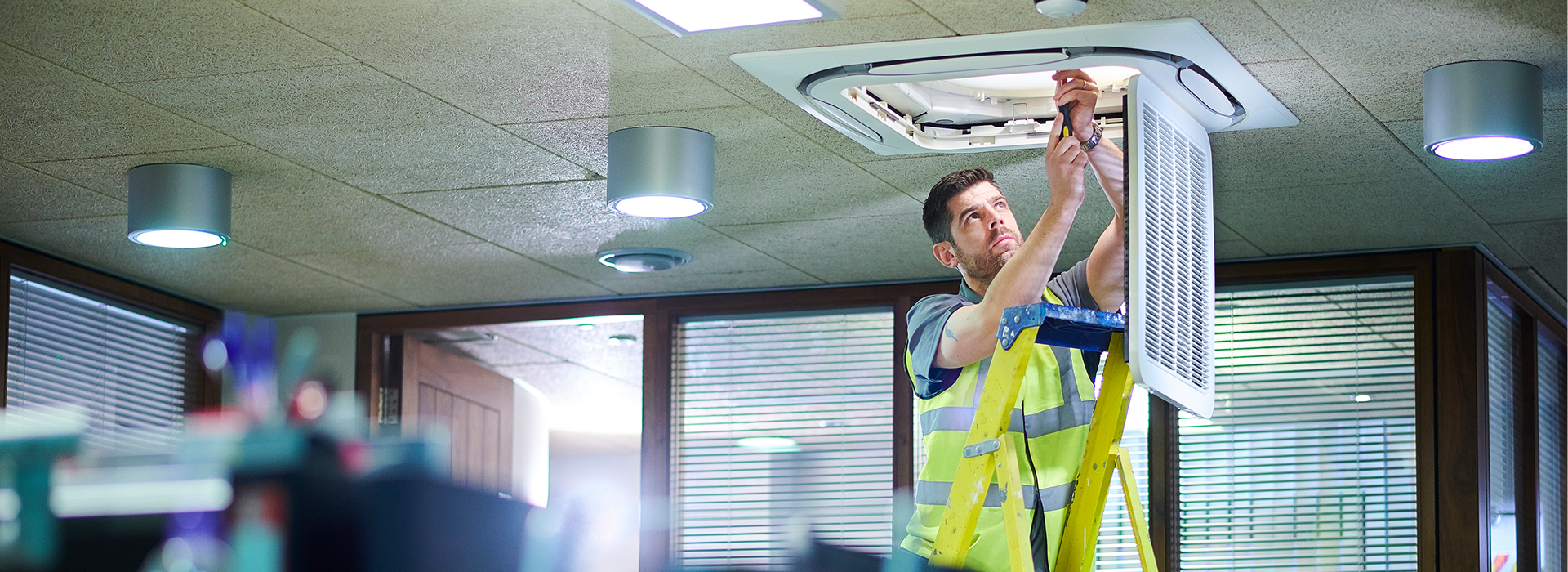
Apartment maintenance in Dubai typically covers smaller, recurring tasks – fixing leaks, servicing AC units, repainting worn walls, or replacing fittings that have reached the end of their lifespan. A renovation, by contrast, is a larger, more deliberate overhaul aimed at changing or upgrading a space significantly, not just maintaining it.

Many homeowners find that consistent maintenance actually reduces how often a full renovation is needed, since small issues get addressed before they compound into larger, costlier problems.

Painting and Finishing: The Final Layer That Ties It Together

Painting and renovation work in Dubai often go hand in hand, since fresh paint is typically one of the final steps in any renovation project. Beyond aesthetics, paint choice matters in this climate – heat-resistant and washable finishes tend to hold up better over time, particularly in high-traffic areas like hallways and kitchens.

Getting the sequencing right matters too. Painting too early, before flooring or fixture installation is complete, often means touch-ups are needed later, which adds unnecessary time and cost to a project.

Final Thoughts

A well-planned apartment renovation Dubai project comes down to clarity – knowing the scope, understanding realistic costs, and accounting for the approvals and logistics specific to this city. Whether it’s a single kitchen refresh or a full home renovation Dubai project spanning multiple rooms, the homeowners who plan carefully upfront tend to end up with far smoother projects than those who start without a clear picture of what’s involved.

At SecureServe Maintenance, the approach to renovation is grounded in the same principle that applies to all property upkeep – good planning prevents most of the problems that derail a project. Taking the time to think through scope, budget, and approvals before work begins will always make the process easier to manage from start to finish.


FAQs

A full apartment renovation generally takes between four and eight weeks, depending on the scope of work and how quickly building approvals are secured.

In most cases, yes - particularly for plumbing, electrical, or structural changes. It's best to confirm requirements with your building management before finalising any renovation plans.

Kitchens and bathrooms typically account for the largest share of a renovation budget, due to the combination of plumbing, cabinetry, and finishing work involved.

For smaller, cosmetic updates, yes. For larger renovations involving plumbing or electrical rework, temporary relocation is often more practical.

This depends entirely on scope, but apartments generally involve lower overall costs due to smaller surface area, while villas often cost more simply because there's more space and, frequently, exterior work involved.

Leading AV Rental Companies in Dubai for Events & Exhibitions

Introduction

Finding reliable AV rental companies in Dubai can make a significant difference to the success of an event. Whether it is a corporate conference, exhibition, product launch, gala dinner, seminar, or live event, professional audiovisual equipment helps audiences see, hear, and engage with the content clearly. In Dubai, where events often take place in large hotels, exhibition centres, outdoor venues, and purpose-built event spaces, choosing suitable AV equipment requires more than simply hiring a screen and speakers.

The right setup depends on the venue, audience size, event format, content, lighting conditions, connectivity, and technical requirements. A successful AV setup should support the event experience without becoming a distraction.

This article explains what to consider when comparing AV providers in Dubai, what equipment is commonly required, and how businesses can make more informed rental decisions.

Why AV Equipment Matters for Dubai Events

Dubai has a particularly active events environment. Businesses regularly host conferences, exhibitions, networking events, training sessions, product launches, award ceremonies, and corporate gatherings. With international visitors and multilingual audiences, professional audio-visual services Dubai can help ensure presentations, announcements, and visual content remain clear and engaging.

At a small meeting, a basic display and microphone may be enough. A large exhibition or conference can require LED walls, multiple screens, professional sound systems, wireless microphones, presentation equipment, stage lighting, control systems, and on-site technicians. Depending on the venue and event format, audio-visual installation may also be required to position and connect equipment safely and effectively.

Venue conditions matter as well. Dubai’s hot climate means outdoor events require additional planning for equipment protection, power management, shade, cooling, and safe installation. Even indoor venues can present challenging lighting conditions, particularly when large windows or strong stage lighting affect screen visibility. For events that require equipment beyond a single venue, Audio-visual services UAE providers may also support planning and technical coordination across different locations.

Select AV equipment around the venue and audience-not simply around what happens to be available.

What Do AV Rental Companies in Dubai Typically Provide?

The scope of an AV rental company can vary considerably. Some providers focus on individual equipment, while others support complete event production.

Common rental categories include:

  • LED screens and video walls
  • Projectors and projection screens
  • Professional speakers and PA systems
  • Wireless and wired microphones
  • Mixers and audio processors
  • Stage and event lighting
  • Presentation displays
  • Video conferencing equipment
  • Cameras and live-streaming equipment
  • Staging and truss systems
  • Technical control equipment
  • On-site AV technicians

When comparing AV rental Dubai providers, it is useful to establish whether you need equipment-only rental or technical support throughout the event.

For a simple presentation, equipment delivery and setup may be sufficient. A major conference may require technicians to manage sound checks, presentations, screen content, microphones, lighting, and troubleshooting throughout the programme.

LED Screen Rental Dubai: When Is It the Right Choice?

LED displays have become increasingly common at exhibitions, conferences, product launches, concerts, and corporate events.

With LED screen rental Dubai services, organisers can create large, bright visual displays that remain visible from a distance. LED technology can be particularly useful for large venues where a conventional television or small projection screen would not provide sufficient visibility.

LED walls can display:

  • Presentation slides
  • Branding
  • Promotional videos
  • Speaker content
  • Event schedules
  • Live camera feeds
  • Social media content
  • Sponsor information

However, bigger is not always better. Screen size should be based on viewing distance, venue layout, content type, and audience position.

For an exhibition stand, a compact LED display may be enough. For a large conference stage, a much larger video wall may be more appropriate.

Sound Systems and Microphone Rental

Good visuals cannot compensate for poor audio.

A speaker may have an excellent presentation, but if people at the back of the room cannot hear clearly, the event experience suffers. This is particularly important at conferences, seminars, panel discussions, awards ceremonies, and corporate meetings.

Professional AV providers may supply:

  • PA systems
  • Line-array speakers
  • Subwoofers
  • Wireless microphones
  • Lapel microphones
  • Headset microphones
  • Gooseneck microphones
  • Audio mixers
  • Monitoring systems

The right configuration depends on the venue’s size, acoustics, audience capacity, and event format.

A panel discussion, for example, may require several individual microphones and careful audio mixing. A product launch with music and video playback may need a more powerful sound system.

Audio should be tested in the actual venue before the event begins, rather than relying solely on equipment specifications.

Projectors and Displays

Projectors remain useful for many indoor events, especially when a large image is required at a relatively controlled cost.

However, projection performance depends heavily on ambient light. A bright room can reduce contrast and make presentations difficult to read.

When considering projector rental, organisers should evaluate:

  • Screen size
  • Throw distance
  • Projector brightness
  • Resolution
  • Room lighting
  • Content type
  • Audience viewing distance
  • Available mounting locations

For venues with significant ambient light, an LED wall or high-brightness display may be more suitable.

An experienced Audio Visual Company Dubai should be able to recommend the appropriate display technology based on the venue rather than automatically choosing one type of equipment.

AV Requirements for Exhibitions

Exhibitions have different requirements from conferences.

An exhibition stand needs to attract attention quickly. Visitors may only spend a few seconds passing a booth, so clear visuals and engaging content are important.

Common exhibition AV equipment includes:

  • LED screens
  • Digital displays
  • Touchscreens
  • Product demonstration screens
  • Speakers
  • Headphones
  • Media players
  • Interactive displays

The equipment should also fit the physical design of the stand. Oversized screens, exposed cables, or poorly positioned speakers can make an otherwise professional booth look untidy.

For exhibition organisers, audio-visual rental Dubai services should be coordinated with the stand designer, venue, and event schedule to avoid installation conflicts.

AV for Conferences and Corporate Events

Conferences usually require a more structured AV setup.

Depending on the programme, organisers may need presentation screens, confidence monitors, microphones, stage lighting, speaker timers, video playback, recording, and live camera feeds.

A multi-speaker conference may also require a technical director or AV team to coordinate transitions between presenters.

For hybrid events, the requirements become more complex. Cameras, microphones, presentation systems, streaming platforms, internet connectivity, and remote participants all need to work together.

A good technical plan should include backup options. For example, critical presentation content should not exist on only one laptop.

Dubai Venue Considerations

Dubai has a wide range of event venues, from hotels and conference centres to exhibition halls, warehouses, outdoor spaces, and corporate offices.

Each venue presents different technical conditions.

Before choosing equipment, check:

Power availability

Large LED walls, lighting systems, and audio equipment can have significant power requirements. Organisers should confirm available power capacity and distribution arrangements with the venue.

Ceiling height

Ceiling height affects speaker placement, projection, lighting, rigging, and screen positioning.

Access and loading

Large equipment may need to enter through service entrances or loading bays. Delivery schedules should be coordinated with venue restrictions.

Ambient light

Natural sunlight and venue lighting can affect displays and projection.

Acoustics

Hard surfaces can create reflections and echo, making audio more difficult to manage.

Temperature and outdoor conditions

For outdoor events in the UAE, heat, humidity, dust, and direct sunlight require additional equipment protection and operational planning.

These details should be considered before the rental order is finalised.

AV Rental Al Quoz and Other Dubai Locations

Dubai’s AV rental market serves businesses across the emirate, with equipment suppliers and production companies operating from several commercial areas.

AV rental Al Quoz is a commonly searched local term because the area has a strong concentration of warehouses, production facilities, workshops, and event-related businesses.

However, location should not be the only factor when choosing a provider. A company based close to your venue may still be unsuitable if it lacks the required equipment or technical expertise.

Instead, consider equipment availability, delivery capability, installation experience, technical support, and previous experience with similar events.

For a venue in Downtown Dubai, Dubai World Trade Centre, Dubai Marina, Jumeirah, or another part of the emirate, confirm delivery and setup timings well in advance.

How Much Does AV Rental Cost in Dubai?

There is no single price for AV rental because costs vary according to the equipment, event duration, venue, technical requirements, installation complexity, and staffing.

For example, renting one presentation screen for a small meeting is very different from providing a complete LED wall, sound system, lighting package, staging, and technicians for a three-day exhibition.

Factors that can influence pricing include:

  • Equipment type and quantity
  • Event duration
  • Delivery and collection
  • Installation and dismantling
  • Technical staff
  • Venue requirements
  • Rigging requirements
  • Content management
  • Rehearsals and testing
  • Event timing
  • Backup equipment

Instead of choosing solely on the lowest quotation, compare what is actually included.

A transparent quotation should make it clear whether delivery, setup, dismantling, technicians, testing, and other charges are included.

How to Choose Between AV Rental Companies in Dubai

With many providers available, businesses should compare companies based on capability rather than advertising claims.

1. Understand your event requirements

Start with the basics: venue, audience size, event type, programme, dates, equipment requirements and content.

2. Ask for a technical recommendation

A capable provider should ask questions before recommending equipment. If someone quotes a package without understanding the venue or event format, additional problems may arise later.

3. Check equipment condition

Well-maintained equipment is essential. Faulty cables, damaged connectors, ageing displays or unreliable microphones can cause unnecessary problems.

4. Confirm technical support

For important events, having technicians available can be valuable. Ask whether support is provided during setup, rehearsal, and the live event.

5. Discuss contingency plans

Important events should have backup plans for critical equipment and content.

6. Review the complete quotation

Check whether the quotation covers delivery, installation, dismantling, technical staff, transportation, venue-related requirements, and taxes where applicable.

7. Consider previous experience

Experience with similar venues and event formats can reduce setup issues. Ask about relevant projects rather than simply relying on a list of equipment.

Why IT Infrastructure Can Matter to AV Performance

Modern AV systems are increasingly connected to business networks and internet services. Digital signage, video conferencing, live streaming, cloud presentations, access systems and remote collaboration can all depend on reliable connectivity.

This means event technology sometimes overlaps with wider IT Infrastructure Dubai requirements.

For permanent corporate environments, maintaining network equipment, devices, connectivity, and related systems can help reduce technical interruptions. Businesses that require ongoing technology management may also consider IT AMC in Dubai arrangements for broader IT support and preventive maintenance.

The important distinction is that AV rental and IT maintenance serve different purposes. AV rental usually addresses event-specific equipment and technical requirements, while IT maintenance focuses on keeping a business’s wider technology environment operational.

Access Control and Event Security

Technology planning should also consider physical access and equipment security.

Large exhibitions and corporate events may involve valuable AV equipment, restricted backstage areas, production rooms, storage areas and staff-only spaces. A suitable Access control system Dubai businesses use can help manage entry to restricted areas.

Access control should be planned alongside the venue’s existing security arrangements. Depending on the event, this might involve access cards, electronic locks, visitor management, or other security measures.

For permanent business premises, AV equipment, networking infrastructure, surveillance and access systems can form part of a wider technology environment that requires regular maintenance.

Common Mistakes to Avoid When Renting AV Equipment

Even experienced event organisers can overlook small details.

Choosing equipment based only on price

The cheapest quotation may not include technical support or the equipment quality required for the event.

Ignoring the venue

Equipment that works well in one room may perform poorly in another because of lighting, acoustics, layout, or power limitations.

Leaving testing until the event starts

A proper rehearsal allows the technical team to identify compatibility, audio, presentation, and connectivity issues before guests arrive.

Forgetting backup options

Critical presentations and event content should have backup copies. Important equipment may also require contingency planning.

Underestimating setup time

Large LED walls, stages, lighting systems, and complex audio setups can take considerable time to install and test.

Poor cable management

Loose or exposed cables can create safety hazards and make the event area look unprofessional.

Final Thoughts

Choosing among AV rental companies in Dubai is ultimately about finding the right combination of equipment, technical expertise and event support.

A successful AV setup should match the venue, audience and programme. It should provide clear sound, visible content, reliable operation and a professional appearance without creating unnecessary complexity.

Dubai’s diverse event venues and demanding climate make planning particularly important. Whether you are organising a corporate conference in a hotel, exhibiting at a trade show, launching a product, or hosting an outdoor event, consider the full technical environment before confirming your rental requirements.

The best AV solution is not necessarily the largest or most expensive one. It is the solution that reliably supports the event and gives attendees a clear, comfortable experience.

For businesses managing both event technology and permanent workplace systems, it can also be useful to keep AV requirements separate from broader IT responsibilities. Where ongoing technology maintenance is required, a structured approach such as SecureServe Maintenance can help businesses keep their wider IT environment organised and dependable without confusing it with event-specific AV rental.

Before booking, prepare a simple equipment and venue checklist, confirm technical requirements with the venue, and ask potential providers to explain how their proposed setup will work in the actual event space. That small amount of preparation can prevent many last-minute technical surprises.


FAQs

AV rental companies in Dubai commonly provide equipment such as LED screens, projectors, sound systems, microphones, lighting, staging, displays, cameras, and related technical support. The exact offering varies between providers.

It depends on the venue and programme. A typical corporate event may require presentation displays, microphones, professional sound, stage lighting and technical support. Larger events may also need LED walls, cameras and live-streaming equipment.

Not always. LED displays generally perform well in bright environments and large venues, while projectors can be effective in suitable indoor spaces. The decision should consider ambient light, viewing distance, content, and budget.

For major conferences, exhibitions and busy event periods, booking well in advance is advisable. Early planning gives the AV provider more time to confirm equipment availability, venue access, technical requirements and installation schedules.

Ask about equipment availability, setup and dismantling, technical support, testing, delivery, backup arrangements, venue requirements and exactly what is included in the quotation.

Some modern AV systems rely on networks, internet connectivity, computers and cloud applications. For permanent business environments, ongoing IT Maintenance can help keep the supporting technology reliable, while event-specific AV support handles the production requirements.

Managed IT Services in Dubai: IT Support, Security & Maintenance

Introduction

Choosing the right managed IT services in Dubai has become increasingly important for businesses that rely on technology every day. From cloud applications and business networks to cybersecurity and access control, a company’s operations can quickly be affected when IT systems are slow, outdated, or poorly protected. Dubai’s fast-moving business environment also creates higher expectations for reliability, connectivity, and responsive technical support.

A well-managed IT environment is not simply about fixing computers when something goes wrong. It involves preventive maintenance, security monitoring, infrastructure management, technical assistance, and long-term planning. For businesses across Dubai and the UAE, this proactive approach can reduce disruption while helping employees work more efficiently.

What Are Managed IT Services?

Managed IT services refer to the ongoing management and support of a company’s technology infrastructure by an internal team, an external provider, or a combination of both. Instead of waiting for an IT problem to occur, businesses use a proactive approach to monitor systems, maintain equipment, address vulnerabilities, and improve performance.

Typical services can include:

  • Network monitoring and maintenance
  • Desktop and user support
  • Server and cloud management
  • Software and hardware maintenance
  • Backup management
  • Cybersecurity monitoring
  • Device and endpoint management
  • IT infrastructure planning
  • Access control and related technology
  • Troubleshooting and technical support

The main advantage is continuity. IT becomes an ongoing business function rather than a series of emergency fixes.

For smaller companies, managed services can provide access to technical expertise without the cost of maintaining a large internal IT department. Larger organisations may use managed services to supplement their existing teams, particularly when they need specialist expertise or support outside normal working hours.

Why Businesses in Dubai Need Proactive IT Support

Dubai has developed into a highly connected commercial centre, with businesses ranging from start-ups and professional offices to retail, hospitality, logistics, property management, and large enterprises. Across these sectors, technology is deeply connected to everyday operations.

An internet outage can stop cloud-based work. A failing server can interrupt access to important files. A compromised account can expose sensitive information. Even a poorly maintained workstation can reduce employee productivity.

This is why IT support Dubai businesses can rely on should focus on prevention as much as troubleshooting.

Dubai’s environment also creates practical considerations for technology. High temperatures, dust, air-conditioning demands, and continuous equipment usage can affect physical IT infrastructure. Servers, networking equipment, CCTV systems, access control devices, and other electronics require appropriate installation, ventilation, cleaning, and maintenance.

For businesses operating in offices, shops, warehouses, or mixed-use properties, technology may also need to function reliably for long hours. Regular monitoring and maintenance can identify potential problems before they become expensive disruptions.

What Should Managed IT Services Include?

Not every provider offers the same scope of support. When comparing IT services company Dubai options, businesses should look beyond a basic help-desk service and consider the complete technology environment.

1. IT Help Desk and Technical Support

Employees need a straightforward way to report technical issues and receive assistance. Good Technical Support Services Dubai should cover common problems such as connectivity issues, software errors, printer problems, account access, device configuration, and application troubleshooting.

The goal is not only to resolve an individual issue but also to understand recurring problems. If multiple employees experience the same network or application problem, the underlying cause should be investigated.

2. Network and IT Infrastructure Management

A reliable network forms the foundation of most modern workplaces. Routers, switches, wireless access points, firewalls, servers, cabling, and connected devices all need to work together.

Effective IT infrastructure Dubai management may include network monitoring, configuration reviews, performance checks, firmware updates, capacity planning, and troubleshooting.

As businesses grow, infrastructure should grow with them. Adding employees, devices, cloud applications, security cameras, or new locations without proper planning can create congestion and security weaknesses.

3. IT Maintenance and Preventive Care

Waiting for equipment to fail is rarely the best maintenance strategy. IT maintenance Dubai businesses use should include routine checks designed to reduce avoidable failures.

Preventive maintenance can involve:

  • Checking system health
  • Applying appropriate software and security updates
  • Reviewing storage capacity
  • Monitoring hardware performance
  • Cleaning and inspecting equipment
  • Testing backups
  • Reviewing network performance
  • Identifying ageing hardware
  • Documenting recurring issues

This approach is particularly useful in Dubai, where equipment may operate in demanding environmental conditions and air-conditioned spaces for extended periods.

4. Cybersecurity

Cyber threats can affect businesses of every size. Phishing emails, stolen credentials, malware, ransomware, insecure devices, and unpatched software can all create significant risks.

Cybersecurity Services Dubai businesses consider should therefore be part of a broader IT strategy rather than treated as an isolated product.

Basic cybersecurity measures may include endpoint protection, firewall management, email security, multi-factor authentication, access controls, patch management, security monitoring, employee awareness, and backup planning.

Security also depends on people. Employees should understand how to identify suspicious messages, use passwords responsibly, protect business devices, and report potential incidents quickly.

5. Backup and Disaster Recovery

A backup is useful only if it can actually be restored when needed. Businesses should consider what data needs protection, how frequently it should be backed up, where backups are stored, and how restoration would work following an incident.

A sensible disaster recovery strategy considers scenarios such as hardware failure, accidental deletion, cyberattacks, power interruptions, and other operational disruptions.

The objective is not merely to have a backup, but to maintain a realistic path back to normal operations.

6. Access Control and Physical Security Technology

Modern IT environments increasingly overlap with physical security. Offices, warehouses, commercial buildings, and restricted areas may use electronic access systems to manage who can enter specific locations.

Access Control Systems Dubai businesses use can include card readers, biometric systems, electronic locks, controllers, and centralised management software. These systems should be installed and maintained carefully because failures can affect both security and daily operations.

Where IT and physical security technologies are interconnected, their management should be coordinated rather than handled as completely separate systems.

Managed IT Support vs. On-Demand IT Support

One of the most common questions businesses ask is whether they need managed IT support or occasional technical assistance.

On-demand support can be suitable for a very small organisation with limited technology requirements. If technical problems happen only occasionally, paying for individual assistance may make sense.

However, businesses with multiple employees, cloud applications, servers, networks, security systems, or customer-facing technology may benefit more from managed IT support Dubai solutions.

The difference is largely proactive versus reactive.

Reactive support starts when a problem occurs.

Managed support continuously looks for potential problems, maintains systems, monitors performance, and provides a structured way to respond when something does go wrong.

Neither approach is automatically right for every business. The better choice depends on the organisation’s size, technology requirements, risk exposure, budget, and internal expertise.

How to Choose Among IT Support Companies in Dubai

There are many IT Support Companies in Dubai, so comparing providers only by monthly price can be misleading. A cheaper service may not provide the response times, technical expertise, security controls, or documentation your business actually needs.

Consider the following questions before choosing a provider:

Does the provider understand your business environment?

A retail business, law firm, construction company, warehouse, and hospitality operation can have very different IT requirements. Look for a provider that understands the operational context rather than offering a one-size-fits-all package.

Is support proactive?

Ask whether the provider monitors systems and performs preventive maintenance or simply waits for users to report problems.

How is cybersecurity handled?

Understand what security services are included, how vulnerabilities are addressed, and whether the provider helps with security awareness and backup planning.

Are response and escalation procedures clear?

Technical problems can range from minor inconvenience to business-critical outages. A professional support arrangement should explain how issues are prioritised and escalated.

Is documentation maintained?

Good IT management should include accurate records of infrastructure, devices, configurations, licences, users, and important systems. Documentation makes troubleshooting and future planning considerably easier.

Can the service scale?

Your technology requirements may change as your business expands. The provider should be able to support additional employees, locations, devices, cloud applications, or security requirements without creating unnecessary complexity.

Common IT Problems Dubai Businesses Should Not Ignore

Some technology problems appear minor but can indicate larger issues.

Slow computers may result from ageing hardware, insufficient storage, excessive applications, or malware. Frequent Wi-Fi problems may indicate poor access-point placement, interference, network congestion, or outdated equipment.

Repeated server alerts should not simply be dismissed. Likewise, employees regularly sharing passwords, using unsupported software, or storing important business information without proper backups can create avoidable security risks.

Small recurring IT problems often deserve investigation before they become larger operational problems.

Businesses should also avoid assuming that cybersecurity is complete simply because antivirus software is installed. Security is a layered process involving people, devices, networks, applications, identities, data, and recovery procedures.

The Importance of IT Planning in Dubai’s Growing Business Environment

Technology decisions made today can influence business costs and reliability for years. Purchasing equipment without considering future requirements may create compatibility issues or force premature replacement.

Effective IT solutions Dubai businesses can benefit from should therefore combine immediate support with longer-term planning.

For example, before opening another office, a business may need to consider internet connectivity, VPN or cloud access, network equipment, endpoint security, user accounts, backup arrangements, printers, access control, and monitoring.

Similarly, before moving more applications to the cloud, management should understand data protection, user permissions, connectivity requirements, licensing, backup responsibilities, and employee training.

This kind of planning helps businesses make technology investments based on operational needs rather than reacting to emergencies.

What Does Good IT Maintenance Look Like?

Good maintenance is often invisible because its success is measured by problems that never happen.

A well-maintained environment should have documented equipment, updated systems, monitored networks, tested backups, controlled access, and clear procedures for dealing with incidents.

This is where a structured approach to SecureServe Maintenance helps organisations treat technology maintenance as a regular operational responsibility rather than an occasional repair task.

The same principle applies to physical technology such as networking cabinets, CCTV equipment, access control devices, and other connected systems. Routine inspection can help identify signs of wear, connectivity problems, environmental issues, or ageing components.

Final Thoughts

Reliable technology is no longer an optional advantage for most Dubai businesses. It supports communication, customer service, operations, financial processes, security, collaboration, and decision-making.

The best approach is to view IT as an ongoing business function. Proactive maintenance, responsive support, strong cybersecurity, reliable backups, and well-planned infrastructure can help businesses reduce disruption and use technology with greater confidence.

Whether a company is reviewing its existing setup or planning for growth, choosing the right level of managed IT services in Dubai starts with understanding what the business actually needs. A thoughtful assessment of infrastructure, users, security, applications, physical systems, and plans can provide a much stronger foundation than simply responding to technical problems as they appear.

For businesses operating across the UAE, the right IT strategy should ultimately be practical, scalable, secure, and suited to the realities of the local environment. Good IT management is not about having more technology-it is about making the technology you already depend on work reliably.

If you are evaluating your current IT environment, a useful next step is to conduct a simple review of your network, devices, backups, cybersecurity, access controls, and recurring technical issues before deciding what support you actually need.


FAQs

Managed IT services in Dubai are ongoing technology management and support services designed to keep a business’s IT systems secure, reliable, and operational. They can include technical support, network management, cybersecurity, backups, device maintenance, infrastructure monitoring, and IT planning.

Yes. Small businesses may benefit because managed services can provide access to technical expertise without requiring a large in-house IT department. The right scope depends on the organisation’s size, systems, budget, and risk profile.

There is no universal schedule because requirements vary by equipment and business environment. However, IT should be monitored continuously, while preventive checks, updates, backup tests, hardware inspections, and security reviews should follow a documented schedule.

Dubai businesses increasingly depend on cloud platforms, connected devices, online transactions, and digital communication. Cybersecurity helps reduce the risk associated with compromised accounts, malware, data loss, phishing, and other digital threats.

Ideally, yes. IT support and cybersecurity are closely connected because poorly maintained devices, outdated software, weak passwords, and unmanaged access can all create security risks.

IT support generally focuses on helping users and resolving technical problems, while IT maintenance focuses on keeping systems healthy through preventive checks, updates, monitoring, and planned improvements. A comprehensive managed service can include both.

Air Conditioning Repair in Dubai: Causes, Warning Signs & Solutions

There are few things more disruptive in Dubai than an air conditioner that stops working properly. With outdoor temperatures regularly climbing past 45°C in summer, air conditioning repair Dubai searches spike every year as homeowners and businesses realise just how much daily life depends on a functioning cooling system. An AC unit here isn’t a comfort feature – it’s closer to essential infrastructure.

Because the systems run almost continuously for much of the year, they also wear down faster than in milder climates. Understanding what typically goes wrong, which warning signs shouldn’t be ignored, and how repair differs from routine maintenance can help you avoid a breakdown at the worst possible time – usually the middle of summer, when demand for technicians peaks.

Why Dubai’s Climate Puts Extra Strain on AC Systems

Air conditioning units in Dubai work harder than almost anywhere else in the world. Several local factors combine to shorten their lifespan and increase the likelihood of faults.

Near-constant operation. Most homes and offices run their AC systems for the better part of the year, not just during a short summer season. This continuous use accelerates wear on compressors, fans, and filters.

Extreme outdoor heat. When outdoor units are exposed to prolonged high temperatures, they have to work significantly harder to maintain indoor comfort, which increases strain on mechanical components.

Fine desert dust. Dust and sand particles clog filters and coils faster than in other climates, restricting airflow and forcing the system to consume more energy for the same output.

This is why routine HVAC maintenance in Dubai isn’t optional in the way it might be elsewhere – it’s a practical necessity for keeping systems reliable through the hottest months.

Common Causes Behind AC Breakdowns

Most air conditioning failures in Dubai homes and offices trace back to a handful of recurring issues.

Dirty or Clogged Filters

This is by far the most common cause of reduced cooling performance. Dust builds up quickly in Dubai’s climate, and a clogged filter forces the system to work harder, which can eventually lead to compressor strain or complete failure if left unaddressed.

Refrigerant Leaks

Low refrigerant levels are a frequent reason systems struggle to cool a space effectively. Leaks often develop gradually and aren’t always obvious until cooling performance noticeably drops.

Blocked Drainage Lines

Humidity levels, particularly in areas closer to the coast, can cause condensation lines to clog or develop mould. This often shows up as water pooling near an indoor unit – an early sign that shouldn’t be ignored.

Electrical and Capacitor Issues

Constant use puts pressure on electrical components over time. Capacitor failures and wiring issues are common causes of a unit that won’t switch on or that switches off unexpectedly during operation.

Outdoor Unit Overheating

Outdoor condenser units exposed to direct sun for extended periods can overheat, especially if airflow around the unit is restricted by dust, debris, or poor installation positioning.

Warning Signs You Shouldn’t Ignore

Catching a problem early is almost always cheaper and less disruptive than waiting for a full breakdown. A few signs are worth paying close attention to.

1. Warm air coming from vents even when the thermostat is set correctly.

2. Unusual noises such as grinding, rattling, or clicking during operation.

3. A noticeable rise in electricity bills without a change in usage habits.

4. Water leaking or pooling near an indoor unit.

5. Persistent musty or burning odours when the system is running.

6. The system short-cycling – turning on and off more frequently than usual.

If any of these sound familiar, it’s usually worth calling a technician before the issue escalates into something that requires a full AC repair service in Dubai rather than a simple fix.

Repair, Maintenance, or Replacement: Knowing the Difference

Not every AC issue calls for the same response, and understanding the distinction can save both time and money.

AC maintenance and repairs in Dubai typically cover routine servicing – filter cleaning, coil inspection, refrigerant checks, and general upkeep designed to prevent problems before they start. This is the kind of work that should happen on a set schedule, not just when something goes wrong.

Repair work, on the other hand, addresses a specific fault: a failed capacitor, a refrigerant leak, or a malfunctioning thermostat, for example. These are reactive fixes aimed at restoring normal function.

Replacement becomes the more sensible option when a unit is old, requires frequent repairs, or when the cost of fixing it repeatedly starts to approach the cost of a new, more energy-efficient system. As a general guide, if a unit is over 10 years old and needs a major repair, it’s worth getting a professional opinion on whether replacement makes more financial sense long-term.

When You Need Emergency AC Repair

Some situations can’t wait for a scheduled appointment. A complete system failure during peak summer heat, a burning smell coming from any part of the unit, or visible electrical sparking are all situations that call for emergency AC repair Dubai services rather than routine booking.

It’s worth knowing in advance which providers in your area offer same-day or emergency response, particularly if you live in a busy residential zone. For instance, AC repair Dubai Marina and AC service Al Barsha are both areas with high demand during summer months, and response times can vary significantly between providers during peak season. Having a trusted contact before an emergency happens is far more useful than searching under pressure.

New Installations: What to Know Beforehand

If you are moving into a new property or replacing an aging system altogether, air conditioning installation Dubai projects come with a few considerations worth thinking through in advance.

Sizing matters more than most homeowners expect. A unit that’s too small will run constantly and struggle to cool the space, while an oversized unit can cycle on and off too frequently, leading to uneven temperatures and unnecessary wear. A proper load calculation, based on room size, insulation, and sun exposure, should always precede installation.

Positioning of the outdoor unit also matters in Dubai’s climate specifically. Units placed in direct, unshaded sun for most of the day tend to work harder and experience more wear than those positioned with some natural shade or airflow consideration.

Simple Habits That Extend an AC System’s Lifespan

A few consistent habits can meaningfully reduce how often a system needs repair.

Clean or replace filters regularly. In Dubai’s dusty conditions, this should happen more frequently than manufacturer guidelines suggest for milder climates – roughly every four to six weeks during peak usage.

Schedule seasonal servicing. A professional check before the start of summer can catch small issues before they turn into breakdowns during the hottest months.

Keep outdoor units clear. Removing dust, leaves, or debris from around the outdoor unit helps maintain proper airflow and reduces strain on the compressor.

Avoid extreme thermostat settings. Setting a unit to an unnecessarily low temperature doesn’t cool a space faster – it simply forces the system to work harder than needed.

Final Thoughts

Given how central air conditioning is to daily life in the UAE, staying ahead of AC repair Dubai needs rather than reacting to a breakdown makes a meaningful difference – both in comfort and in cost. Whether it’s routine HVAC repair Dubai, a seasonal service, or catching an early warning sign before it becomes a full system failure, a little attention throughout the year goes a long way in a climate this demanding.

At SecureServe, property maintenance is approached with the understanding that reliable cooling isn’t a luxury in Dubai – it’s a core part of keeping a property comfortable and functional year-round. Staying proactive, rather than waiting for an AC repair near me search to become urgent, is always the better long-term approach.


FAQs

Most residential systems benefit from professional servicing every three to four months, given how heavily they are used throughout the year. Commercial systems may need more frequent attention depending on usage.

This is often caused by low refrigerant levels, a dirty filter restricting airflow, or a malfunctioning compressor. A technician can usually diagnose the specific cause fairly quickly.

Some increase is expected due to higher usage, but a sharp, unexplained spike often points to reduced efficiency, commonly caused by dirty filters, refrigerant leaks, or an aging unit working harder than it should.

Minor issues like capacitor replacement or filter servicing can often be resolved within an hour or two, while more complex problems such as refrigerant leaks or compressor issues may take longer, depending on parts availability.

If a unit is nearing or past the 10-year mark and requires a costly repair, replacement is often more economical in the long run, particularly given how much more energy-efficient newer systems tend to be.

Finding the Right House Cleaning Services Near Me in Dubai

There’s a specific kind of tired that comes from looking at a home you don’t have time to clean properly. Between work, family, and Dubai’s fast-moving pace, it’s no surprise that so many residents start searching for house cleaning services near me the moment things start piling up – dusty surfaces, a kitchen that needs more than a quick wipe, or a bathroom that hasn’t seen a deep clean in weeks.

Dubai’s environment doesn’t make it easy to keep a home spotless without help. Fine desert dust settles fast, air conditioning units circulate particles throughout the day, and the sheer pace of life leaves little room for the kind of deep cleaning a home actually needs. This guide covers what to look for before hiring a cleaning service, how residential and commercial needs differ, and what a genuinely good clean should include.

Why Homes in Dubai Get Dirty Faster Than You’d Expect

It’s a common surprise for new residents: even a home that’s rarely used can accumulate dust within days. This isn’t a sign of poor housekeeping – it’s simply how the local climate works.

  • Desert dust and sand: Fine particles travel easily through windows, balconies, and even sealed buildings, settling on surfaces, shelves, and fabric.
  • Constant air conditioning: Most Dubai homes run AC year-round, which circulates dust and can leave a fine film on furniture and flooring over time.
  • High humidity near the coast: Areas closer to the water see more moisture in the air, which affects bathrooms and kitchens in particular, making mould and limescale build up faster than expected.

This combination is exactly why so many households rely on regular professional support rather than treating cleaning as a once-in-a-while task. It’s less about convenience and more about keeping a home genuinely healthy in a climate that works against it.

What Good House Cleaning Actually Looks Like

Not all cleaning is the same, and understanding the difference helps you know what to ask for when you search for cleaners near me.

Standard Cleaning

This covers the basics – dusting, vacuuming, mopping, wiping down surfaces, and tidying common areas. It’s typically done weekly or bi-weekly and keeps a home looking presentable between deeper cleans.

Deep Cleaning

Deep cleaning services near me is one of the most searched terms for a reason – it covers everything standard cleaning misses. This includes scrubbing grout, cleaning behind appliances, wiping down skirting boards, washing interior windows, and tackling built-up grime in places that don’t get touched during a regular clean. Most homes benefit from a deep clean every few months, even with consistent weekly cleaning in between.

Move-In and Move-Out Cleaning

Given Dubai’s transient rental market, this is a common request. It involves a thorough top-to-bottom clean of an empty property, often required to meet landlord or agency handover standards.

Residential vs. Commercial: Different Jobs, Different Expectations

Whether you are maintaining a home or a workplace, the approach to cleaning changes significantly.

Residential cleaning services near me usually focus on comfort and hygiene – bedrooms, living areas, kitchens, and bathrooms cleaned with attention to detail and a degree of flexibility around the household’s routine. Apartment cleaning services in particular often need to work around building access hours and shared-facility restrictions, which is worth confirming with your building management beforehand.

Commercial cleaning services, by contrast, are built around minimal disruption to business operations. Office cleaning services typically happen outside working hours or in scheduled slots, and focus on shared spaces, workstations, meeting rooms, and communal areas like pantries and washrooms. The standards here are often tied to health and hygiene compliance, especially in shared office buildings.

If you are comparing quotes, it helps to be specific about which category your space falls under, since pricing and scheduling for residential and commercial jobs are rarely interchangeable.

The Two Rooms That Matter Most: Kitchen and Bathroom

Ask any professional cleaner, and they’ll agree – kitchens and bathrooms are where a home’s cleanliness is really tested.

Kitchen cleaning in Dubai needs to account for grease build-up around stovetops, exhaust fans coated in fine dust, and the fact that many households cook daily, which speeds up residue accumulation. A proper kitchen clean should include appliance exteriors, countertops, sinks, and cabinet fronts, not just the visible surfaces.

Bathroom cleaning in Dubai comes with its own challenges, largely due to hard water and humidity. Limescale around taps and showerheads, mould in grout lines, and mineral build-up on glass surfaces are common issues that need more than a quick wipe-down to resolve properly.

If a cleaning service treats these two rooms as an afterthought, it’s usually a sign the rest of the job won’t be much more thorough either.

Questions Worth Asking Before You Hire

A little groundwork before booking saves a lot of frustration later. Here’s what’s worth clarifying upfront.

  • What’s included in the price? Some quotes cover cleaning supplies and equipment; others expect you to provide them. Confirm this before comparing costs across providers.
  • Are the cleaners trained and vetted? Since cleaners work inside your home, it’s reasonable to ask about background checks and how staff are trained.
  • Is there flexibility for one-off or recurring bookings? Some households need a single deep clean; others want a consistent weekly or bi-weekly schedule. A good provider should accommodate both without complication.
  • What happens if something is damaged? It’s worth understanding a provider’s policy on accidental damage before work begins, not after.
  • Do they bring eco-friendly product options? With more households in Dubai becoming conscious of chemical exposure, especially around children and pets, this is increasingly a deciding factor.

Signs It’s Time to Book a Deep Clean

It’s not always obvious when a home has moved past the point where regular cleaning is enough. A few common signs include persistent dust on surfaces even after wiping, a faint musty smell in bathrooms or near AC vents, visible grime in grout lines, or grease residue that regular wiping no longer removes from kitchen surfaces. If any of these sound familiar, it’s usually a good indicator that a deeper clean – rather than another round of routine tidying – is what’s actually needed.

Final Thoughts

Searching for reliable house cleaning services near me in Dubai isn’t just about finding someone available on short notice – it’s about finding a service that understands how the local climate, lifestyle, and property types shape what a genuinely thorough clean requires. Whether it’s a weekly refresh, a full deep clean, or ongoing cleaning service in Dubai to support a busy household or office, the right provider makes the difference between a home that looks clean and one that actually is.

At SecureServe, property maintenance is approached with the understanding that cleanliness is part of a property’s overall upkeep, not a separate afterthought. Taking the time to ask the right questions before hiring will always lead to a service that fits your home and routine far better in the long run.


FAQs

Most households benefit from weekly or bi-weekly standard cleaning, paired with a deep clean every two to three months. Homes with pets, young children, or higher foot traffic may need more frequent attention.

Standard cleaning covers everyday upkeep like dusting and mopping, while deep cleaning targets areas that build up over time, such as grout, appliance interiors, and hard-to-reach corners.

Not necessarily. Many residents provide access and go about their day, though it's common to be present for the first booking to walk through any specific preferences.

This varies by provider. Some bring their own supplies and equipment as part of the service, while others work with products already in the home, so it's worth confirming this at the time of booking.

Yes. Office cleaning is generally scheduled around business hours, focuses on shared and high-traffic areas, and often follows specific hygiene standards required for workplace environments.

Painters Near Me in Dubai: What to Know Before Hiring One

If you have typed painters near me into Google recently, you are probably standing in a room that’s lost its shine – sun-faded walls, hairline cracks near the ceiling, or a colour scheme that simply doesn’t feel like you anymore. In a city like Dubai, where interiors are constantly exposed to strong sunlight, air conditioning, and fine desert dust, walls age faster than most homeowners expect. That’s why so many residents search for house painters near me or professional painters near me when it’s time for a refresh, rather than attempting a full repaint themselves.

But hiring the right painter isn’t just about picking the first name that shows up in a local search. Dubai’s climate, building regulations, and fast-paced lifestyle all influence how a paint job should be planned, priced, and executed. This guide walks you through everything you need to know before you hire – from timing your project around the weather to understanding what separates a rushed job from a lasting one.

Why Dubai Homes Need a Different Painting Approach

Painting a home in Dubai isn’t quite the same as painting one in a more temperate climate. The city’s intense heat, humidity swings, and dust levels all play a role in how paint behaves once it’s on the wall.

Extreme heat affects drying time. During summer months, exterior surfaces can reach very high temperatures, which causes paint to dry unevenly if applied at the wrong time of day. Experienced painters usually schedule outdoor work for early mornings or evenings to avoid this.

Dust accelerates surface wear. Fine sand particles settle into textured walls and window ledges, which is why regular cleaning and proper surface preparation matter more here than in many other regions.

Humidity impacts adhesion. Coastal humidity, especially in areas closer to the water, can affect how well paint bonds to a surface, making primer quality and application technique particularly important.

This is where local expertise becomes valuable. A painter who understands Dubai’s seasonal patterns will plan the job differently than one working from a generic playbook, which is a key reason residents specifically look for painting services in Dubai rather than relying on general contractors unfamiliar with the region.

What to Check Before You Hire a Painter

Not every painter who shows up with a quote is the right fit for your home. Before committing, it helps to look beyond price and ask a few practical questions.

1. Ask About Surface Preparation

A good paint job is only as strong as the preparation behind it. Sanding, filling cracks, treating damp patches, and applying the right primer all matter more than the number of coats applied. If a quote skips this step entirely or rushes through it, the finish is unlikely to last through Dubai’s next hot season.

2. Confirm the Type of Paint Being Used

Not all paints are suited to Dubai’s climate. Look for painters who recommend heat-resistant, UV-stable, and low-VOC (volatile organic compound) paints, particularly for surfaces that face direct sunlight for most of the day. This is especially relevant for exterior home painting, where the paint has to withstand far more environmental stress than an interior wall.

3. Ask for Past Work or References

A reliable painter, whether an individual or part of a larger team, should be able to show examples of previous projects or share references from past clients. This is a simple way to gauge consistency and attention to detail before work even begins.

4. Clarify Timelines Realistically

Dubai’s lifestyle is fast-paced, and many homeowners want painting work completed quickly with minimal disruption. While a good team can work efficiently, be cautious of quotes that promise very short timelines for large spaces – this often signals shortcuts in drying time or coat application.

5. Understand What’s Included in the Quote

Some quotes include materials, furniture covering, and cleanup; others charge these separately. Clarifying this upfront avoids surprises later and makes it easier to compare providers fairly.

Interior vs. Exterior Painting: Different Needs, Different Skills

Homeowners searching for a painter in Dubai often assume interior and exterior work require the same approach. In reality, the two are quite different.

Interior painting focuses on finish quality, colour consistency, and working around furniture and daily routines. Ventilation also matters, since many Dubai homes run air conditioning continuously, and paint fumes need time to dissipate properly.

Exterior painting has to withstand direct sun, occasional sandstorms, and temperature swings between day and night. Surfaces such as balconies, boundary walls, and building facades need weather-resistant coatings and careful timing to avoid application during peak heat.

If your project involves both, it’s worth discussing the sequencing with your painter. Many teams tackle exterior work first, particularly during cooler months, before moving indoors.

Villas, Apartments, and Everything in Between

Dubai’s housing mix – from high-rise apartments to sprawling villas – means painting needs vary widely depending on where you live.

Villa painting services in Dubai typically involve larger surface areas, boundary walls, and sometimes multiple floors, which means project timelines and material quantities are naturally higher. Villas also tend to have more exterior surface exposed to the elements, so weather-resistant coatings are especially important.

Apartment painting services in Dubai, on the other hand, often come with building management guidelines. Many towers have specific rules about working hours, use of common areas for equipment, and approved contractors, so it’s worth checking your building’s policy before scheduling any work.

Regardless of property type, wall painting in Dubai should always begin with an honest assessment of the existing surface – peeling paint, moisture stains, or structural cracks need to be addressed before a fresh coat goes on, not covered up by it.

How to Spot the Best Painting Services in Dubai

With so many options available, narrowing down the best painting services in Dubai comes down to a few consistent markers of quality rather than flashy marketing.

Look for teams that take time to inspect the property before quoting, rather than pricing over the phone without seeing the space. A short in-person visit often reveals issues – like dampness or uneven walls -that affect both cost and approach.

Pay attention to how questions are answered. A trustworthy provider will explain their process clearly: what preparation involves, how many coats are planned, drying time between coats, and what kind of paint suits your specific walls and climate exposure.

Finally, consider whether the company offers any form of warranty or follow-up support. Paint that starts peeling or bubbling within a few months of application often points to rushed preparation, and a provider confident in their work will typically stand behind it.

Common Mistakes Homeowners Make When Hiring Painters

Choosing solely on price. The cheapest quote often reflects thinner paint, fewer coats, or skipped preparation – all of which show up within a year or two.

Ignoring the weather calendar. Scheduling exterior work during the hottest months without proper planning can affect how well the paint cures.

Not asking about VOC levels. Low-VOC paints are better for indoor air quality, which matters in homes that stay sealed and air-conditioned for most of the year.

Overlooking small repairs. Cracks, damp patches, or peeling edges left untreated will usually resurface through new paint within months.

Final Thoughts

Finding reliable painters near me in Dubai isn’t just about convenience – it’s about choosing a team that understands how the local climate, building types, and lifestyle all shape a lasting paint job. Whether you are refreshing a single room, repainting an entire villa, or maintaining an apartment within a managed building, the right preparation and material choices make the difference between a job that looks good for a season and one that holds up for years.

At SecureServe, property and facility maintenance is approached with this same long-term mindset – understanding that good maintenance, including painting, is about protecting a property, not just refreshing its appearance. If you are planning a painting project, taking the time to research properly before hiring will always pay off in how the final result holds up against Dubai’s demanding climate.


FAQs

Most interior walls hold up well for four to six years, while exterior surfaces exposed to direct sun and heat may need repainting every three to five years, depending on the quality of the previous job and the paint used.

Cooler months, roughly between October and March, are generally preferred for exterior painting since the milder temperatures allow paint to cure more evenly. Interior painting can typically be done year-round, provided the space is well ventilated.

A standard apartment may take a few days, while a full villa repaint, including exterior walls, can take one to two weeks depending on size, weather conditions, and the number of coats required.

Not usually. Most interior painting is done room by room, allowing residents to stay in the home, though it's common to relocate furniture temporarily and ventilate freshly painted rooms before regular use.

Heat-resistant and UV-stable paints are generally recommended for exteriors, while low-VOC, washable paints tend to work well indoors, particularly in kitchens, bathrooms, and children's rooms.

Emergency Plumber Near Me in Dubai: Leaks, Bursts & Urgent Repairs

Introduction

A plumbing problem rarely happens at a convenient time. A burst pipe, overflowing drain, blocked toilet, or sudden loss of water can quickly disrupt daily life and cause expensive property damage. Knowing what to do during a plumbing emergency can help reduce the damage while professional assistance is arranged. Emergency plumbing is particularly important in Dubai, where residential towers, villas, offices, restaurants, and commercial buildings rely heavily on plumbing systems every day. From leaking pipes and blocked drains to water heater problems, understanding the warning signs and taking the right first steps can protect your property, reduce unnecessary repair costs, and help restore normal operations more quickly.

When Does a Plumbing Problem Become an Emergency?

Not every plumbing issue requires immediate intervention. A dripping tap, for example, may be inconvenient but can usually wait for a scheduled repair.

An emergency is different.

A plumbing problem generally deserves urgent attention when it can cause significant water damage, affect essential facilities, create a health or safety concern, or disrupt the operation of a home or business.

Examples include:

  • Burst water pipes
  • Rapidly leaking pipes
  • Major ceiling or wall leaks
  • Overflowing toilets
  • Severe drain blockages
  • No water supply caused by a plumbing failure
  • Water leaking near electrical equipment
  • Major water heater leaks
  • Sewer or wastewater problems

The most important factor is how quickly the problem could become worse.

A small leak that is ignored for several hours may damage flooring, cabinets, walls, ceilings, or neighbouring properties. Acting quickly can therefore make a significant difference.

The First Few Minutes Matter

When a major plumbing problem occurs, people often immediately search for an emergency plumber near me. Finding professional assistance is important, but there are a few safe steps that can be taken first.

Shut Off the Water If You Can

If you know where the property’s main water shut-off valve is located and it is safe to access, turning it off can help limit water flow.

For a localised problem, such as a leaking appliance connection, an individual isolation valve may be sufficient.

If you cannot identify the correct valve, do not spend excessive time searching while water continues to spread.

Protect Electrical Equipment

Water and electricity can create a serious hazard.

If water is approaching sockets, electrical appliances, distribution boards, or other electrical equipment, keep away from the affected area. Do not touch electrical components while standing in water.

If there is an immediate electrical safety concern, appropriate professional assistance should be arranged.

Move Valuable Items

If it is safe to do so, move furniture, electronics, documents, and other valuables away from the affected area.

Document the Problem

Photographs or videos of the leak, blockage, or visible damage can help a plumber understand the situation before arriving and may also be useful for property management or insurance records.

Common Emergency Plumbing Problems in Dubai

Dubai properties have diverse plumbing systems because the city includes high-rise apartments, villas, offices, hotels, restaurants, warehouses, and mixed-use developments.

Some emergencies occur more frequently than others.

Burst Pipes and Major Leaks

A burst pipe can release a large amount of water in a short period.

Warning signs may include:

  • Sudden drops in water pressure
  • Water appearing from walls or ceilings
  • Unexplained puddles
  • Wet patches
  • Unusual sounds behind walls
  • Rapidly increasing water bills

A major leak can damage paint, plaster, flooring, cabinets, insulation, and electrical systems.

The sooner the water source is controlled, the lower the potential for secondary damage.

Blocked Drains

Blocked drains are another common reason homeowners and businesses seek urgent plumbing assistance.

A blockage may initially appear as slow drainage. Over time, however, water can begin backing up into sinks, showers, floor drains, or toilets.

Common causes include:

  • Hair
  • Grease
  • Food waste
  • Soap residue
  • Foreign objects
  • Accumulated debris
  • Tree roots in certain external drainage systems

Repeatedly using chemical drain cleaners may not solve the underlying problem and can sometimes complicate later repairs.

A professional inspection can determine whether the blockage is local or part of a larger drainage issue.

Overflowing Toilets

An overflowing toilet can quickly create a hygiene problem, particularly in homes, offices, restaurants, and other busy properties.

If the toilet continues filling, the water supply should be stopped if the shut-off valve is accessible.

Avoid repeated flushing until the cause has been identified.

If wastewater is involved, keep people away from the affected area and arrange professional assistance.

Water Heater Emergencies

Water heaters combine plumbing and electrical components, which makes certain failures more serious than an ordinary plumbing issue.

Common warning signs include:

  • Water leaking from the tank
  • Corrosion
  • No hot water
  • Unusual noises
  • Repeated electrical tripping
  • Water pooling around the unit
  • Damaged valves or connections

If you experience a major heater leak or an electrical problem, avoid attempting to dismantle the unit yourself.

Professional water heater repair Dubai can determine whether the problem is repairable or whether replacement is more appropriate.

Water Heater Repair in Dubai

Not every water heater problem means the entire unit needs replacing.

Depending on the condition, a technician may identify a problem with:

  • Heating elements
  • Thermostats
  • Valves
  • Electrical connections
  • Pipes
  • Seals
  • Other components

However, if the storage tank itself is severely corroded or leaking, replacement may be the more practical option.

People searching for water heater repair in Dubai should therefore look for a proper diagnosis rather than automatically choosing repair or replacement.

The condition of the tank is one of the most important factors when deciding whether a water heater should be repaired or replaced.

Hidden Plumbing Leaks

Some of the most difficult plumbing problems are not immediately visible.

A concealed leak may occur inside a wall, ceiling, floor, or cabinet.

Possible signs include:

  • Damp patches
  • Peeling paint
  • Musty smells
  • Mould growth
  • Unexplained water consumption
  • Swollen wooden cabinets
  • Stained ceilings

Hidden leaks should not be ignored simply because there is no visible stream of water.

Early investigation can help prevent extensive structural and interior damage.

Why Dubai’s Environment Makes Plumbing Maintenance Important

Dubai’s climate is hot for much of the year, and buildings rely heavily on air conditioning and water systems to maintain comfortable indoor environments.

Humidity, temperature changes, building age, water usage, and continuous system operation can all contribute to wear over time.

High-rise properties also have more complex plumbing infrastructure, with multiple floors, pumps, water tanks, drainage systems, and shared services.

For property owners, regular inspection can help identify problems before they become emergencies.

This is particularly relevant for older buildings, properties undergoing renovation, and buildings with high daily water consumption.

Residential vs Commercial Plumbing Emergencies

The consequences of a plumbing emergency can differ depending on the type of property.

Homes and Villas

A leak in a kitchen, bathroom, utility room, or water heater area can quickly affect flooring, furniture, cabinets, and personal belongings.

Apartments

Apartment leaks can create an additional concern because water may affect neighbouring units or shared building areas.

Residents may also need to follow building management procedures before certain repair work is carried out.

Offices

A plumbing emergency can interrupt employees, meetings, washrooms, kitchens, and normal business operations.

Restaurants

Plumbing problems in food-service environments can affect hygiene, kitchen operations, drainage, and customer service.

Commercial Buildings

Large properties may require coordination between tenants, facility managers, security personnel, and maintenance teams.

The appropriate response should therefore consider both the plumbing problem and the type of building involved.

Choosing an Emergency Plumber in Dubai

When searching for an emergency plumber in Dubai, speed matters, but it should not be the only consideration.

A reliable provider should be able to understand the problem, communicate clearly, and explain what needs to be done.

Consider the following:

Experience

Look for experience with the type of plumbing system and property involved.

Response Process

Understand how emergency requests are handled and whether on-site support is available.

Clear Diagnosis

A professional should explain the likely cause instead of immediately recommending unnecessary work.

Transparent Pricing

Ask what the quotation covers and whether emergency call-out charges, materials, labour, or replacement parts are included.

Proper Workmanship

Emergency repairs should solve the immediate problem without creating another issue later.

What to Expect From Professional Plumbing Repair

Professional plumbing repair services in Dubai may begin with an inspection of the affected area.

Depending on the problem, the technician may:

  1. Identify the source of the issue.
  2. Assess the extent of the damage.
  3. Isolate the affected water supply.
  4. Determine whether repair or replacement is appropriate.
  5. Complete the necessary repair.
  6. Test the system.
  7. Check for further leaks or performance issues.

The exact process depends on the type of plumbing emergency.

For concealed leaks or complex drainage problems, additional diagnostic work may be necessary.

Plumbing Emergencies You Should Not Try to Fix Yourself

DIY maintenance can be useful for simple tasks, but certain situations should be left to qualified professionals.

Avoid attempting major repairs involving:

  • Burst pipes
  • Concealed leaks
  • Sewer lines
  • Water heaters
  • Major drainage blockages
  • Pressurised plumbing systems
  • Plumbing near electrical equipment

Improvised repairs may temporarily stop a leak but can make the underlying problem worse.

When a plumbing problem involves significant water flow, electrical risk, or concealed infrastructure, professional assessment is the safer approach.

How to Reduce the Risk of Plumbing Emergencies

Emergency repairs are sometimes unavoidable, but regular maintenance can reduce the likelihood of serious failures.

Simple preventive steps include:

Check for Leaks

Inspect visible pipes, taps, toilets, cabinets, and water heater connections periodically.

Don’t Ignore Slow Drains

A slow drain may be an early sign of a developing blockage.

Watch Your Water Bill

An unexplained increase in water consumption can sometimes indicate a hidden leak.

Avoid Putting Grease Down Drains

Grease can accumulate inside pipes and contribute to blockages.

Maintain Water Heaters

Regular inspection can identify corrosion, damaged connections, and other warning signs.

Know Your Shut-Off Valve

Every homeowner or property manager should know where the main water isolation valve is located.

Schedule General Plumbing Checks

Routine plumbing services can identify issues before they develop into emergencies.

Common Mistakes During Plumbing Emergencies

Waiting for the Problem to Resolve Itself

Leaks and blockages rarely improve on their own.

Using Too Much Chemical Drain Cleaner

Excessive chemical use may not remove the underlying blockage and can create additional safety concerns.

Ignoring Water Near Electricity

Water and electrical systems should never be treated as separate concerns when they are in proximity.

Repeatedly Resetting a Water Heater

If a heater repeatedly trips the electrical supply, it should be inspected rather than continually reset.

Choosing a Plumber Solely on Price

The cheapest emergency response may not provide the most reliable long-term repair.

How Emergency Plumbing Fits Into Property Maintenance

Emergency repairs deal with immediate problems, while planned maintenance focuses on preventing those problems from occurring.

This distinction is important for homeowners and property managers.

Regular inspections can identify:

  • Aging pipes
  • Leaking valves
  • Corroded fittings
  • Slow drains
  • Water heater deterioration
  • Poor seals
  • Plumbing pressure problems

Combining emergency response with preventive maintenance creates a more complete approach to property care.

For larger properties, plumbing inspections can also form part of a wider maintenance programme alongside HVAC, electrical, civil, and other building systems.

Final Thoughts

A plumbing emergency can quickly turn a minor inconvenience into a major property problem. Whether the issue is a burst pipe, a blocked drain, an overflowing toilet, a hidden leak, or a failing water heater, responding quickly can help limit damage and restore normal use sooner.

The best approach is to stay calm, isolate the water supply when safe to do so, protect people and property, and arrange professional assistance. Avoid attempting complicated repairs simply because the problem appears urgent.

For Dubai homeowners and businesses, combining timely emergency plumbing with regular inspections and preventive maintenance can provide better long-term protection. Small leaks, slow drains, unusual water pressure, and water heater warning signs are easier and generally less disruptive to address before they become serious failures.

A reliable plumbing strategy is ultimately about more than fixing leaks. It is about recognising problems early, responding safely when emergencies occur, and keeping the property’s water systems dependable over time.

For businesses and property owners seeking broader maintenance support, SecureServe can be considered as part of a wider property care approach alongside plumbing and other technical maintenance needs.


FAQs

Major leaks, burst pipes, overflowing toilets, severe blockages, serious water heater failures, and plumbing problems that threaten property or safety can be considered emergencies.

Immediately. Stop the water supply if it is safe to do so and arrange professional assistance as soon as possible.

Search for a local emergency plumber and compare availability, experience, response process, reviews, and pricing. For complex problems, choose a provider with relevant experience rather than selecting solely on proximity.

Yes. A severe blockage can cause wastewater to back up, overflow, create hygiene concerns, and potentially damage the property.

No. Some problems can be repaired. A professional inspection can determine whether the fault involves a replaceable component or whether the tank itself has deteriorated.

Building Access Control Systems in Dubai: Types, Benefits & Key Considerations

Walk into almost any modern office, apartment lobby, or gated villa community in Dubai today, and you’ll likely pass through some form of building access control system without giving it much thought. A tap of a card, a fingerprint scan, or a quick face-to-camera moment, and the door opens. It’s become such a normal part of daily life here that most people rarely stop to consider how it works, or why it matters as much as it does. This guide breaks down the different types of systems available, what each one is best suited for, and the practical factors worth thinking through before choosing one for a home, office, or residential building.

What Exactly Is a Building Access Control System?

At its core, access control refers to any system that manages and restricts entry to a building or a specific area within one. Instead of relying purely on a lock and key, these systems use electronic credentials, a card, a code, a fingerprint, or a smartphone to verify identity before granting access.

The appeal goes beyond just keeping doors locked. These systems create a record of who entered where and when, remove the risk of lost keys compromising an entire building, and allow access to be granted or revoked instantly without needing to change locks.

Types of Access Control Systems, Side by Side

There’s no single system that works for every property. The table below gives a quick comparison of the most common options used across Dubai.

System TypeBest Suited ForKey Advantage
Keypad / PIN AccessSmall offices, storage areasLow cost, simple to manage
Card or Fob AccessApartment buildings, officesEasy to issue and deactivate
Biometric AccessHigh-security offices, server roomsNearly impossible to share or duplicate
Mobile / App-Based AccessModern residential towers, co-working spacesNo physical card needed, remote management
Intercom-Integrated AccessVillas, gated communitiesVisual verification before entry

A Closer Look at Each System

Keypad and PIN-Based Access

The simplest and most affordable option, a keypad system requires entering a numeric code to unlock a door. It works well for low-traffic areas like storage rooms or back entrances, though codes can be shared or forgotten, which limits its use for higher-security needs.

Card and Fob Systems

Still one of the most widely used formats, particularly for office access control and apartment buildings. Each resident or employee carries a card or fob that’s scanned at the entrance. Lost cards can be deactivated instantly, which is a meaningful improvement over traditional keys.

Biometric Systems

For higher-security environments, biometric access control Dubai businesses typically install relies on fingerprint or facial recognition. Because biometric data can’t be shared, lost, or easily duplicated, this option is common in server rooms, executive offices, and buildings with strict security requirements.

Mobile and App-Based Access

A growing number of newer developments now allow residents or staff to unlock doors directly from a smartphone app. This removes the need for physical cards altogether and makes it easy for property managers to grant temporary access to visitors or delivery personnel without issuing a separate credential.

Intercom-Integrated Systems

Particularly common in villas and gated communities, intercom systems Dubai residents use alongside access control allow visual or audio verification before a gate or door is unlocked, adding an extra layer of confirmation beyond just a card or code.

Dubai’s climate plays a role here too. Outdoor-mounted card readers and keypads at villa gates or building entrances need to withstand intense heat, dust, and occasional heavy rain, which is why hardware quality and weatherproofing matter more here than in milder climates. A system that isn’t rated for outdoor conditions tends to degrade quickly and become unreliable within a year or two of installation.

Why These Systems Have Become the Norm in Dubai

A few local factors explain why access control has become so standard here rather than remaining a niche feature reserved for high-security buildings.

1. High-rise living is the default in many parts of the city, and buildings with dozens or hundreds of units need a scalable way to manage entry that traditional lock-and-key systems simply can’t handle.

2. A large and constantly shifting population of residents, tenants, staff, and visitors makes it impractical to rely on physical keys that need to be reissued every time someone moves in, moves out, or changes roles.

3. Rising expectations around convenience mean that residents and employees increasingly expect frictionless entry, whether that’s a card tap or a face scan, rather than fumbling with keys.

4. Security-conscious property management has become standard practice, particularly for commercial buildings and gated residential communities where controlling and logging entry is now viewed as a baseline requirement rather than an upgrade.

How Access Needs Differ Across Property Types

A villa in a gated community, a mid-rise apartment building, and a corporate office all approach access control differently, even though the underlying technology often overlaps.

Villas typically prioritise the entrance gate and front door, often pairing a keypad or card reader with an intercom so residents can see and speak with visitors before letting them in. Apartment buildings usually need a layered approach, main lobby access, individual floor restrictions, and sometimes separate credentials for amenities like gyms or pools. Offices tend to focus on internal zoning, allowing general staff into common areas while restricting server rooms, finance departments, or executive floors to a smaller group.

Recognising which category a property falls into makes it much easier to choose a system that fits, rather than adopting a generic setup that’s either overbuilt or missing coverage where it’s actually needed.

Access Control and CCTV: A Natural Pairing

Access control rarely operates in isolation. Most properties pair it with video surveillance for a fuller security picture, since knowing who badged in doesn’t always confirm who actually walked through the door. Many CCTV companies in Dubai now offer integrated packages that combine both systems, allowing footage to be cross-referenced with access logs if an incident needs reviewing.

This combination has become fairly standard for offices, retail spaces, and larger residential buildings, where a single security event- an unauthorised entry attempt, a package theft, a dispute over visitor access- can often be resolved faster with both data points available together.

Choosing the Right System: What to Consider

Before committing to a system, it helps to think through a few practical questions rather than choosing based on features alone.

How Many People Need Access?

A small office with a handful of employees has very different needs than a 300-unit residential tower. Larger properties generally benefit from card or mobile-based systems that scale easily, while smaller spaces might do fine with a simple keypad or fob setup.

What Level of Security Is Actually Needed?

Not every door needs biometric verification. Matching the security level to the actual risk, rather than over-investing in every entry point, keeps costs reasonable while still covering the areas that genuinely need tighter control.

Does It Need to Integrate With Existing Systems?

Properties that already have CCTV or intercom systems installed should check whether a new access control system can integrate with what’s already in place, rather than requiring a full separate setup.

Who Will Manage It Day to Day?

Someone needs to be responsible for issuing credentials, deactivating lost cards, and reviewing access logs. For larger buildings, this is usually handled by facility management, but smaller properties should clarify this before installation.

Finding the Right Installer

Search results for access control installation near me tend to return a long list of providers, and quality varies quite a bit. A reliable installer should assess the property in person, recommend a system based on actual usage patterns rather than pushing the most expensive option, and provide clear guidance on maintenance and support after installation.

It’s also worth confirming that any door access control system Dubai installer follows local building and fire safety regulations, since access-controlled doors still need to allow safe emergency exit, a detail that’s sometimes overlooked in poorly planned installations.

Providers offering broader access control systems Dubai and access control system Dubai installations as part of a wider facility management or maintenance service, such as SecureServe, often make coordination easier for property owners who’d rather work with one team than juggle separate vendors for security, maintenance, and general upkeep.

Common Mistakes to Avoid

A few recurring issues tend to come up with poorly planned installations, and they are worth avoiding from the start.

– Installing a system without a clear plan for who manages access changes over time

– Overlooking backup power, since a system that fails during a power cut can lock people in or out

– Ignoring fire safety compliance around emergency exits

– Choosing the cheapest option without checking long-term support and maintenance availability

Key Takeaway

Access control has moved from being a high-end security feature to a practical, expected part of how Dubai’s buildings operate, whether that’s a villa gate, an office entrance, or a residential tower lobby. Choosing the right system isn’t really about picking the most advanced option available; it’s about matching the setup to how a property is actually used, how many people need access, and what level of security genuinely makes sense for the space. Getting that balance right tends to matter far more than any single feature on a spec sheet.


FAQs

It depends on the sensitivity of what's being protected. For general office space, card or fob access is often sufficient, while biometrics make more sense for server rooms or areas with confidential material.

Most quality systems include battery backup, but it's worth confirming this specifically before installation, since not all budget systems include this feature by default.

Yes. Card readers, biometric scanners, and control panels all benefit from periodic checks to ensure they are functioning correctly and securely.

For most commercial and larger residential properties, yes. The combination gives a more complete picture than either system alone, particularly when reviewing incidents.

This varies by property size and system type, but a straightforward office or apartment installation typically takes a few days, while larger buildings with multiple entry points can take longer.

IT Support Companies in Dubai: How to Choose the Right IT Partner

Introduction

Choosing between different IT support companies in Dubai can be difficult when every provider appears to offer similar services. For a modern business, however, IT support is about much more than fixing a computer or reconnecting the internet. Email, cloud applications, networks, cybersecurity, data storage, CCTV, and everyday devices all need to work together reliably. A technical problem in any one of these areas can interrupt normal business operations. This is especially relevant in Dubai, where businesses operate in a highly connected and competitive environment. Understanding what an IT partner should actually provide can help business owners choose support that is practical, secure, scalable, and suitable for their day-to-day needs.

Start With Your Business, Not the IT Company

Before comparing providers, take a step back and understand what your business actually needs from technology.

A small office with 10 employees may require only computer troubleshooting, Wi-Fi support, email assistance, backups, and basic cybersecurity. A larger company with multiple departments may rely on servers, cloud platforms, structured networks, access controls, CCTV, remote-working systems, and advanced security measures.

This distinction matters because there is no universal IT package that works equally well for every business.

Start by identifying:

  • How many employees use company devices
  • How many computers and laptops need support
  • Whether the business uses local servers or cloud systems
  • How important internet connectivity is to daily operations
  • What business applications employees depend on
  • How company data is backed up
  • What cybersecurity controls are currently in place
  • Whether CCTV or other connected security systems are being used

The best IT support arrangement is one designed around the way your business actually operates, rather than a standard package of services.

What Happens When IT Support Is Missing?

IT problems rarely occur at a convenient time.

Imagine an employee arriving in the morning and discovering that the company network is unavailable. Another employee cannot access email, while a third cannot connect to a shared application. A few hours later, management discovers that an important backup has also failed.

None of these problems may seem serious individually. Together, however, they can bring normal operations to a standstill.

Poorly managed IT can lead to:

  • Lost working hours
  • Delayed customer responses
  • Missed meetings
  • Data loss
  • Security vulnerabilities
  • Unplanned expenses
  • Employee frustration

This is why businesses should think about IT support as part of operational continuity rather than simply a repair service.

What a Good IT Support Partner Should Handle

A capable IT support service Dubai provider should be able to support the technology employees rely on every day.

This can include computer troubleshooting, network problems, printer issues, email access, software configuration, hardware failures, Wi-Fi connectivity, and user access.

However, good IT support should also look beyond immediate problems.

For example, if the same network issue keeps occurring every few weeks, repeatedly fixing the symptom is not enough. The underlying cause needs to be identified.

Similarly, if several computers are becoming slow because of outdated hardware or software, replacing individual components one at a time may not be the best long-term solution.

A good IT partner should identify patterns and explain what can be done to prevent recurring problems.

IT Support vs IT Maintenance: They Are Not the Same

The terms are sometimes used interchangeably, but there is an important difference.

IT support generally focuses on helping users and resolving problems when they occur.

IT maintenance is more proactive. It involves keeping systems updated, checking equipment, monitoring performance, reviewing backups, and identifying potential issues before they become major failures.

For example:

An employee cannot access their email → IT support

Checking email configuration and security settings regularly to reduce future problems → IT maintenance

A business that combines both approaches is generally better prepared for unexpected technical issues.

Think About Security Before You Think About Convenience

Cybersecurity should not be treated as an optional extra.

Businesses in Dubai handle a wide range of digital information, including customer records, invoices, employee information, passwords, contracts, financial information, and internal communications.

A business may have excellent computers and a fast internet connection but still be vulnerable if basic security practices are missing.

Professional cybersecurity services Dubai may include:

  • Firewall management
  • Endpoint protection
  • Security updates
  • Access management
  • Email protection
  • Backup planning
  • Password policies
  • Threat monitoring
  • Security awareness
  • Incident response planning

Employees also need guidance. Phishing emails, suspicious links, weak passwords, and unsafe downloads can create risks even when technical security systems are in place.

Good cybersecurity combines technology, sensible policies, and informed employees.

Don’t Overlook Your Network

A business can have powerful computers and modern software, but if the network is poorly configured, productivity can still suffer.

Network support may involve:

  • Routers
  • Switches
  • Wi-Fi access points
  • Firewalls
  • Structured cabling
  • Internet connections
  • Network security
  • User access

As companies grow, their network requirements often change. More employees mean more devices, more traffic, and potentially more demand on wireless infrastructure.

A suitable IT solutions Dubai strategy should therefore consider future growth rather than only today’s requirements.

Where IT AMC Services Can Make Sense

Businesses that depend heavily on technology may consider IT AMC services Dubai for ongoing support.

An annual maintenance contract can provide a structured framework for managing IT systems throughout the year instead of arranging individual support every time a problem occurs.

Depending on the agreement, an IT AMC may cover areas such as:

  • Scheduled system checks
  • Computer troubleshooting
  • Network support
  • Software updates
  • Hardware inspections
  • Backup monitoring
  • Security checks
  • On-site technical assistance

However, businesses should never assume that every AMC includes the same services.

Before signing, check exactly what is covered, what is excluded, how support requests are handled, and what response times apply.

Questions Worth Asking Before You Sign a Contract

A professional conversation with an IT provider should go beyond asking, “How much does it cost?”

Ask practical questions such as:

How quickly will you respond if our network goes down?

Can you provide on-site assistance when remote support isn’t enough?

What happens outside normal working hours?

Which devices and systems are included?

How are backups monitored?

What cybersecurity measures do you recommend?

Can the agreement expand as our business grows?

Are hardware replacement costs included or separate?

These questions reveal much more about the quality of an IT services company Dubai than a simple price comparison.

Dubai’s Business Environment Makes Response Time Important

Dubai’s business environment is highly active, with companies operating across offices, retail locations, hospitality properties, warehouses, and professional service environments.

In many cases, technology is directly connected to revenue.

A retail business may depend on its network for payments. An office may rely on cloud applications for client work. A property company may depend on digital systems to manage buildings and tenants.

This means response time can be just as important as technical expertise.

When evaluating IT support Dubai, ask whether the provider understands which systems are critical to your business and how quickly those systems need to be restored.

IT and CCTV Are Becoming More Connected

Technology infrastructure increasingly overlaps with physical security.

Modern CCTV systems often use IP networks, digital storage, remote viewing, and user authentication. Businesses considering CCTV camera installation Dubai should therefore think about how the surveillance system will interact with the existing network.

Questions worth considering include:

  • Does the network have enough capacity?
  • Where will video recordings be stored?
  • Who should have access?
  • How long should footage be retained?
  • Is remote viewing required?
  • How will cameras be protected from unauthorised access?

This is one reason businesses may benefit from coordinating IT and security planning rather than treating every technology system as completely separate.

Location Matters, But Expertise Matters More

Businesses sometimes search specifically for IT support Palm Jumeirah, IT support near their office, or providers within a particular Dubai business district.

Local availability can certainly be useful, particularly when on-site support is required.

However, location should not be the only deciding factor.

A provider slightly farther away with better technical expertise, clearer response procedures, and stronger cybersecurity capabilities may provide more value than a nearby company with limited experience.

For businesses in Dubai Marina, Palm Jumeirah, Downtown Dubai, Business Bay, JLT, DIFC, or other commercial areas, consider both accessibility and technical capability.

Warning Signs When Comparing IT Providers

Several signs should make a business cautious.

Vague Service Descriptions

If a provider says it offers “complete IT support” without explaining what that actually means, ask for a detailed scope.

No Clear Response Process

You should know how to report an issue and what happens after a support request is submitted.

One-Size-Fits-All Recommendations

Your business should receive recommendations based on its actual infrastructure.

No Backup Discussion

Data recovery should be part of any serious business IT conversation.

Security Treated as an Afterthought

Cybersecurity should be considered from the beginning rather than added after a security incident.

Unclear Contract Terms

Always understand exclusions, response times, renewal conditions, and additional charges before signing.

How to Make Your IT Budget More Effective

Choosing a reliable provider does not necessarily mean spending more.

The goal is to spend money where it provides the greatest business value.

Instead of replacing every device immediately, assess which equipment is genuinely affecting productivity.

Instead of purchasing unnecessary software, identify which applications employees actually need.

Instead of reacting to every outage, invest in preventive maintenance where recurring problems are costing the business time.

A practical IT budget should balance:

  • Reliability
  • Security
  • Employee productivity
  • Scalability
  • Preventive maintenance
  • Business continuity

This approach can make IT spending more predictable while reducing unnecessary emergency costs.

A Simple Checklist for Choosing Your IT Partner

Before making your final decision, check whether the provider can answer “yes” to most of these questions:

  • Do they understand your industry?
  • Do they support your current technology?
  • Can they provide on-site assistance?
  • Are response times clearly defined?
  • Do they offer preventive IT maintenance?
  • Do they understand cybersecurity?
  • Can they manage backups?
  • Can their services scale with your business?
  • Are contract terms transparent?
  • Can they explain technical issues in simple language?

That final point is often underestimated.

A good IT professional should be able to explain a technical problem without making the business owner feel overwhelmed by jargon.

Final Thoughts

Choosing the right IT support companies in Dubai is ultimately about finding a technology partner that understands your business rather than simply finding someone who can fix a computer.

The strongest IT strategy combines everyday technical support with preventive maintenance, reliable backups, cybersecurity, network management, and sensible planning for future growth. This helps businesses spend less time dealing with avoidable technical problems and more time focusing on their customers and operations.

Dubai’s business environment moves quickly, and technology is often at the centre of that activity. A reliable IT partner can therefore become an important part of business continuity-not because problems will never happen, but because the business is better prepared when they do.

For businesses considering providers such as SecureServe, the most important step is to evaluate the actual scope of support, technical expertise, response procedures, security practices, and long-term suitability before making a decision.

The right IT partner should make technology easier to manage, not more complicated.


FAQs

Services can include computer support, network troubleshooting, server maintenance, software assistance, cloud support, backups, cybersecurity, hardware support, and preventive IT maintenance.

Costs vary depending on the number of users, devices, systems, support hours, on-site requirements, cybersecurity needs, and whether the business chooses a monthly agreement or an annual contract.

It can be useful when a small business depends heavily on technology but does not have an internal IT department. The agreement should match the company's actual requirements.

IT maintenance may include system updates, security patches, hardware checks, network monitoring, backup verification, and performance assessments.

Civil Maintenance Services Dubai: Essential Repairs for Safe & Durable Buildings

Buildings don’t just need clean AC filters and working light switches to stay in good shape. Beneath the surface, structural elements, walls, flooring, and exterior surfaces all face constant pressure from Dubai’s climate, and that’s where Civil maintenance services come in. This side of property upkeep tends to get less attention than plumbing or electrical work, largely because the signs of wear develop slowly, but it’s just as important for keeping a building safe, functional, and structurally sound over the long run.

This guide covers what civil maintenance actually involves, why Dubai’s environment makes it particularly relevant, and how property owners can tell when a building needs this kind of attention before small issues turn into serious structural concerns.

What Falls Under Civil Maintenance

Unlike day-to-day repairs such as a leaking tap or a tripped circuit, civil maintenance deals with the structural and physical fabric of a building. It’s a broad category, and understanding what it covers helps property owners recognise when they need this kind of specialist support rather than a general handyman.

Typical work that Civil works Dubai providers handle includes:

• Wall and ceiling crack repairs

• Plastering and re-rendering damaged surfaces

• Flooring and tiling repairs

• Waterproofing for roofs, balconies, and bathrooms

• Masonry and brickwork repairs

• External wall and façade maintenance

• Minor structural reinforcement and renovation work

Together, these tasks fall under what’s broadly known as Building repair services Dubai properties rely on to stay structurally sound, safe, and visually presentable over time.

Why Dubai’s Climate Puts Extra Pressure on Buildings

The UAE’s climate is genuinely tough on construction materials. Intense summer heat causes expansion and contraction in concrete, plaster, and exterior finishes, which over time leads to hairline cracks that, left unaddressed, can widen and let moisture in. Coastal humidity in areas near the water accelerates corrosion in exposed metal reinforcements, while sandstorms and dust gradually wear down external surfaces and paintwork.

Heavy rainfall, though infrequent, tends to expose weaknesses in waterproofing and drainage almost immediately when it does occur. A building that hasn’t had proper waterproofing maintenance can experience seepage and water damage after just one significant downpour. This is one of the clearest reasons why Building maintenance Dubai property owners invest in needs to include a civil works component, not just mechanical and electrical servicing.

The Cost of Delaying Civil Repairs

Structural issues rarely announce themselves loudly. A small crack doesn’t stop a building from functioning day to day, which makes it easy to postpone addressing it. But civil damage tends to compound quietly. A minor waterproofing gap can, over successive rain events, saturate insulation and lead to widespread damp. A small area of spalling concrete, where the surface flakes away and exposes reinforcement bars, can accelerate corrosion of the steel underneath if left untreated.

By the time these issues become visually obvious, the repair scope and cost are usually far larger than they would have been with earlier intervention. This is the core argument for treating civil maintenance as scheduled, preventive work rather than something addressed only once damage is already apparent.

Signs a Building Needs Civil Maintenance Attention

Visible Cracks

Hairline cracks in walls or ceilings are common and often harmless, but cracks that widen, run diagonally, or appear near windows and doors can indicate structural movement that needs professional assessment.

Water Stains or Damp Patches

Discolouration on ceilings or walls, particularly after rain, usually points to a waterproofing failure somewhere in the building envelope.

Peeling Paint or Bubbling Surfaces

This is often a sign of trapped moisture beneath the surface, which, left untreated, can lead to more serious plaster or masonry damage.

Uneven or Cracked Flooring

Tiles that lift, crack, or sound hollow when tapped often indicate a bonding failure underneath, which tends to worsen with continued foot traffic and temperature changes.

Deteriorating External Walls

Chipped render, exposed brickwork, or crumbling façade material are signs that the building’s exterior is due for masonry or plastering work before the damage spreads further.

Civil Maintenance vs Renovation: What’s the Difference

These two terms often get used interchangeably, but they are not quite the same thing. Civil maintenance is generally about preserving and repairing what already exists, fixing cracks, restoring waterproofing, repairing flooring, and keeping structural elements in good condition. Building renovation Dubai work, on the other hand, usually involves more significant upgrades or changes, such as reconfiguring a space, updating finishes, or modernising outdated sections of a property.

In practice, the two often overlap. A renovation project frequently uncovers underlying civil issues that need addressing first, and a building undergoing regular maintenance may occasionally need renovation-level work if damage has been left unattended for too long. Understanding which category a project falls into helps set realistic expectations for scope, cost, and timeline.

Masonry Work: An Often Overlooked Part of Building Care

Masonry doesn’t get discussed as often as AC servicing or plumbing, but it plays a significant role in a building’s long-term durability. Masonry services Dubai contractors typically provide include repairing brickwork, restoring boundary walls, fixing external cladding, and addressing structural stonework that’s showing signs of wear.

Villas with garden walls, boundary fencing, or exposed stone features tend to need this kind of attention more than apartment units, simply because they have more exterior surface area exposed to the elements. Left unaddressed, minor masonry damage can spread and eventually affect structural stability, particularly around load-bearing walls.

Civil Maintenance Needs by Location

Building conditions vary depending on where a property sits. Structures near the coast, including many in Civil maintenance Dubai Marina towers, tend to face faster corrosion and surface wear due to salt-laden air and higher humidity levels. Buildings further inland deal more with heat-related expansion and dust accumulation rather than moisture-driven deterioration.

This is why a one-size-fits-all maintenance schedule rarely works well. A property’s location, age, and construction materials should all factor into how often civil maintenance checks are carried out and which areas need the closest attention.

Civil Maintenance for Commercial and Multi-Occupant Buildings

For commercial properties and larger residential towers, civil maintenance carries added stakes. Structural issues in shared spaces, such as parking structures, façades, or common area flooring, can affect dozens or hundreds of occupants and, in some cases, raise safety or compliance concerns that a single-unit issue wouldn’t.

Facility managers overseeing these properties often need documented inspection records, not just informal check-ins, particularly for insurance purposes or when preparing for periodic building audits. A civil maintenance provider experienced with larger properties should be able to supply this kind of structured reporting alongside the actual repair work.

Choosing a Civil Maintenance Company

Structural and civil work isn’t something to hand off casually. Choosing the right Civil maintenance company Dubai property owners can trust requires a bit more diligence than picking a general handyman service.

A few things worth checking before hiring:

• Experience with structural repairs, not just cosmetic fixes

• Proper licensing and adherence to UAE building codes

• Clear assessment reports before work begins, rather than vague verbal estimates

• A track record with similar property types, whether villas, apartments, or commercial buildings

A qualified Civil works contractor Dubai property owners choose to work with should be able to explain the root cause of an issue, not just patch the visible symptom. A crack repaired without addressing the underlying movement, for instance, will likely reappear within a year or two.

Property owners searching for Civil maintenance services Dubai are often doing so after noticing a specific issue: a crack, a damp patch, a section of lifting tile. But the more useful long-term habit is treating civil inspection as a scheduled part of property care, the same way AC servicing or plumbing checks are, rather than something that only comes up once damage is already visible.

Why Civil Maintenance Belongs in a Broader Property Care Plan

Civil maintenance rarely functions well as an isolated, one-off service. It fits best as part of a wider approach to Property maintenance Dubai owners and facility managers put in place, alongside mechanical, electrical, and plumbing upkeep. Buildings that receive coordinated attention across all these areas tend to hold their value better and experience fewer emergency repairs over time.

This integrated approach, treating structural care as part of a building’s overall maintenance strategy rather than an afterthought, is the kind of coordinated service that companies like SecureServe Maintenance bring to residential and commercial properties across the city.

How Often Should Civil Maintenance Checks Happen?

Unlike AC servicing, which follows a fairly predictable seasonal rhythm, civil maintenance is usually assessed annually, with more frequent inspections for older buildings or properties in coastal, high-exposure areas. A general structural and surface inspection once a year is a reasonable baseline for most properties, with waterproofing specifically checked before the rainy season to catch any weaknesses ahead of time.

For commercial properties or larger residential buildings, more frequent inspections, sometimes quarterly, are often warranted given the scale of the structure and the number of occupants affected by any potential issue.

Final Thoughts

The structural side of a building doesn’t ask for attention the way a broken AC unit or a leaking tap does, which is exactly why it’s so often overlooked until a problem becomes visible and, usually, expensive. Given how much pressure Dubai’s climate places on concrete, plaster, and exterior surfaces, treating civil maintenance as a routine part of property care, rather than a reactive fix, is one of the most effective ways to protect a building’s safety, appearance, and long-term value.


FAQs

Civil maintenance typically covers crack repairs, plastering, flooring and tiling fixes, waterproofing, masonry work, and general structural upkeep for a building's physical fabric.

General building maintenance often includes mechanical, electrical, and plumbing systems, while civil maintenance focuses specifically on structural and surface elements like walls, flooring, and waterproofing.

Small hairline cracks are usually cosmetic, but cracks that widen over time, run diagonally, or appear near structural elements like windows and doors should be assessed by a professional.

Both need it. While villas often require more masonry and exterior work, apartments still need attention to waterproofing, flooring, and internal wall conditions.

Ideally once a year, and specifically before the rainy season, since even a short period of heavy rain can expose weaknesses in an ageing waterproofing membrane.

WhatsApp Chat