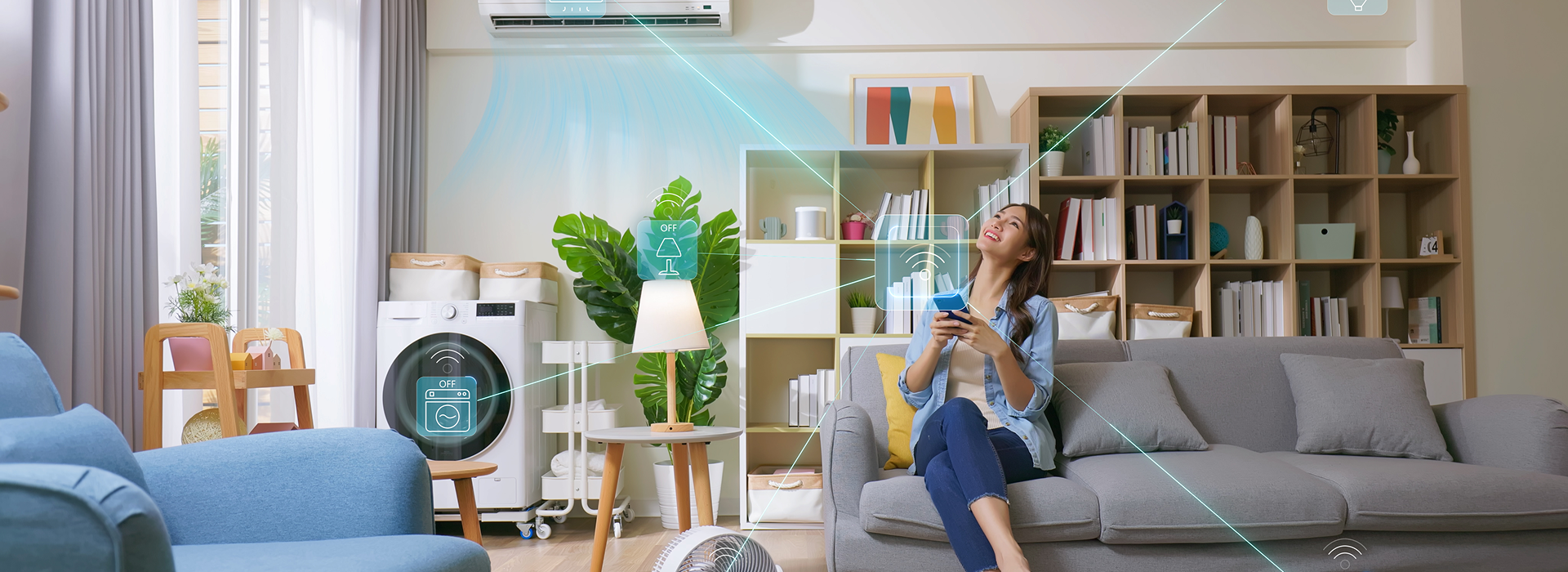
Modern homes in Dubai are increasingly adopting smart technology to improve comfort, security, energy management, and everyday convenience. From automated lighting and climate control to smart security systems and integrated entertainment, home automation allows homeowners to manage different aspects of their property through connected devices and centralized controls.
Choosing the right Home Automation Services in Dubai helps ensure that smart technologies are installed according to the property’s layout, lifestyle requirements, and security needs. Whether you are upgrading an existing villa, designing a luxury apartment, or developing a modern residential property, a well-planned home automation system can create a more comfortable and connected living environment.
In this guide, we explore the benefits of home automation, the key smart home solutions available in Dubai, and the factors to consider when choosing a professional home automation service provider.
What Are Home Automation Services in Dubai?
Home automation services in Dubai involve the design, installation, integration, and maintenance of smart technologies that allow homeowners to control different systems within their properties. These systems can include lighting, air conditioning, security, entertainment, curtains, and other connected devices.
Depending on the system, homeowners can manage smart devices through mobile applications, touchscreens, voice assistants, or centralized automation platforms.
Common home automation solutions include:
- Smart lighting and lighting control
- Automated curtains and blinds
- Smart air conditioning and temperature management
- Home security and surveillance integration
- Audio-visual and home entertainment systems
- Smart door locks and access control
- Energy monitoring and device scheduling
The exact features available depend on the property, equipment compatibility, network infrastructure, and automation platform.
Smart Home System Architecture Diagram
HOMEOWNER / USER
MOBILE APP
TOUCH PANEL
VOICE CONTROL
HOME AUTOMATION HUB /
CONTROL PLATFORM
LIGHTING
Lights
HVAC
AC / Temp
SECURITY
CCTV / Locks
CURTAINS
Blinds
ENTERTAINMENT
TV / Audio
Why Choose Home Automation for Smart Living in Dubai?
Dubai’s residential properties range from apartments and townhouses to luxury villas and large private residences. Each property may have different requirements for climate control, security, entertainment, and energy management.
Home automation can help bring these systems together into a more convenient and coordinated environment.
1. Improved Comfort and Convenience
Smart home technology allows homeowners to manage various household functions without manually operating every device.
For example, a homeowner may be able to:
- Adjust the room temperature using a smart controller.
- Turn off selected lights from a mobile application.
- Schedule curtains to open at a particular time.
- Control entertainment systems from one interface.
These features can simplify daily routines and support a more personalized living experience.
2. Smart Temperature and Air Conditioning Control
Air conditioning is an important part of residential comfort in Dubai. Smart climate control systems can provide centralized temperature management, scheduling, and integration with compatible air conditioning equipment.
A smart automation system may allow users to control room temperatures, create schedules, and manage connected thermostats. However, the available features depend on the type and compatibility of the existing HVAC system.
When upgrading a home, it is useful to coordinate automation requirements with a professional Air Conditioning Service Dubai provider or qualified HVAC specialist. This helps ensure that the climate control equipment and smart controls are suitable for the property.
3. Enhanced Home Security
Home automation can integrate selected security devices into a connected system, giving homeowners easier access to security-related controls and notifications.
Possible integrations include:
- Smart door locks
- Video doorbells
- CCTV systems
- Motion sensors
- Door and window sensors
- Access control devices
- Smart alarm systems
Electronic Security Dubai solutions can support residential protection through professionally selected and installed security equipment. Home automation can complement these systems, but smart controls should not be considered a replacement for a complete security assessment or appropriate security measures.
4. Centralized Entertainment and Audio-Visual Control
Smart home automation can improve how homeowners use entertainment systems throughout their property. Compatible audio-visual devices may be connected to a centralized control system, allowing users to manage multiple functions from one interface.
Examples include:
- Home theatre control
- Multi-room audio
- Smart television integration
- Automated lighting for entertainment areas
- Audio and video distribution
Working with an experienced Audio Visual Company Dubai provider can help homeowners plan equipment placement, connectivity, sound quality, and system integration according to their space and intended use.
5. Better Energy Management
Home automation can support energy management through device scheduling, smart lighting controls, and temperature adjustments.
For instance, homeowners may schedule selected lights to switch off during certain hours or adjust compatible climate controls based on occupancy patterns.
The actual energy savings depend on the property’s equipment, user behavior, system configuration, and other factors. Automation can assist with energy management, but it does not guarantee a specific reduction in energy consumption.
What Smart Home Automation Solutions Are Available in Dubai?
A professional home automation project should be designed around the property’s specific needs. The following solutions are commonly considered when planning a smart home.
Smart Lighting Control
Smart lighting allows users to control compatible lights through connected switches, sensors, apps, or centralized automation systems.
Features may include:
- Remote lighting control
- Scheduled lighting
- Scene-based lighting
- Dimming, where supported
- Occupancy-based automation
For example, a homeowner can create a relaxation scene that adjusts selected lights for evening use. The specific functions depend on the installed products.
Smart Curtains and Blinds
Automated curtains and blinds can improve convenience and support privacy management. Motorized window treatments may be operated through a switch, remote control, app, or integrated smart home system.
They can also be scheduled to open or close at particular times, depending on the equipment and configuration.
Smart Door Locks and Access Control
Smart locks and access control devices can provide convenient entry management for compatible doors. Some systems support features such as PIN access, mobile control, or integration with other smart home devices.
Installation should take into account door compatibility, power requirements, security configuration, and emergency access arrangements.
Home Theatre and Multi-Room Audio
Homeowners who enjoy entertainment can integrate compatible audio and video equipment into their automation system.
A professionally planned setup can help coordinate:
- Television and projector controls
- Audio equipment
- Lighting scenes
- Media room devices
- Multi-room entertainment
A specialist audio-visual installer can assess room acoustics, equipment requirements, and wiring before installation.
Smart Sensors and Monitoring
Sensors can help detect specific events within a property. Depending on the system, these may include motion, door opening, temperature, or water leakage.
Sensors can trigger notifications or automation actions when configured correctly. Their effectiveness depends on installation quality, device coverage, and system reliability.
Smart Home Solutions Ecosystem Diagram
SMART HOME AUTOMATION
COMFORT
- Lighting
- HVAC
- Curtains
SECURITY
- CCTV
- Smart Locks
- Sensors
ENTERTAINMENT
- Home Theatre
- Multi-room Audio
- Smart TV
CENTRAL CONTROL
MOBILE APP
TOUCH / VOICE
How to Choose the Best Home Automation Services in Dubai
Selecting a home automation provider involves more than choosing the latest smart devices. The installation should be compatible with the property and planned for reliable everyday use.
Here are important factors to consider.
1. Assess Your Home’s Requirements
Start by identifying which areas of the property you want to automate.
Consider:
- Which rooms require smart lighting?
- Do you need integrated air conditioning control?
- Are security systems already installed?
- Do you want home theatre or multi-room audio?
- Is the project for a new property or an existing home?
A clear requirements assessment can help prevent unnecessary equipment purchases and improve project planning.
2. Check System Compatibility
Not every smart device works with every automation platform. Before selecting equipment, check compatibility between existing systems and proposed solutions.
Important considerations include:
- Communication protocols
- Controller compatibility
- Network requirements
- Power supply
- Integration capabilities
- Future expansion options
A qualified installer can help evaluate the existing infrastructure and identify suitable options.
3. Consider Installation and Wiring Requirements
Some automation solutions require new wiring, while others can work with wireless connectivity or existing infrastructure.
For new construction and major renovation projects, it may be easier to plan wiring and equipment locations in advance. For existing properties, the installation approach depends on the building structure and available infrastructure.
A professional assessment can help determine whether the project requires electrical modifications, network improvements, or additional installation work.
4. Evaluate Security and Privacy
Connected home devices can handle sensitive information and control important household functions. Security should therefore be part of the system design.
Consider:
- Strong account credentials
- Appropriate device access permissions
- Software and firmware updates
- Secure network configuration
- Access management for connected systems
The provider should explain how the system is configured and what maintenance or updates may be required.
5. Review Maintenance and Support
Home automation systems may require troubleshooting, software updates, equipment replacement, or configuration changes over time.
Before selecting a service provider, ask about:
- Installation support
- System maintenance
- Troubleshooting procedures
- Equipment warranties
- Upgrade options
- Response times for service requests
The availability of these services varies by provider and contract.
How Home Automation Works with Other Home Services in Dubai
Home automation often overlaps with electrical, HVAC, security, and entertainment installations. Planning these services together can help reduce compatibility issues and coordinate the overall project.
Home Automation and Electrical Service in Dubai
Electrical infrastructure is an important part of many smart home installations. Smart switches, lighting systems, control panels, and other devices may require specific wiring and power arrangements.
A qualified Electrical Service in Dubai provider can help with relevant electrical work, subject to the requirements of the project and applicable regulations.
Electrical planning should be completed by appropriately qualified professionals, particularly when modifications involve the property’s main electrical systems.
Home Automation and Home Renovation Dubai Projects
Home renovation projects may offer an opportunity to introduce smart technology while updating the property’s interior and infrastructure.
For example, homeowners may plan:
- Smart lighting during ceiling upgrades
- Motorized curtains during window renovations
- Network cabling during wall or ceiling work
- Home theatre installations during room redesign
- Smart switches during electrical upgrades
When considering Home Renovation Dubai services, discuss automation requirements at the planning stage. This can help coordinate design, electrical work, installation access, and equipment placement.
Home Automation and Painting Services Dubai
Painting and interior finishing work can affect how smart home components are installed and maintained. Switches, control panels, sensors, and other visible equipment should be considered during the design process.
Painting Services Dubai providers can coordinate finishing work around relevant installation stages. For example, equipment installation may need to be scheduled carefully when walls or ceilings are being painted.
The best approach depends on the project’s scope and the type of smart home equipment being installed.
Integrated Home Services Architecture
SMART HOME PROJECT
ELECTRICAL
- Lighting / Power
HVAC
- AC Control
SECURITY
- CCTV / Access
HOME AUTOMATION
CONTROL SYSTEM
AUDIO VISUAL
TV / Audio
RENOVATION
Wiring / Interiors
Home Automation for Villas and Apartments in Dubai
Smart home requirements differ according to the property’s size, layout, ownership arrangements, and existing infrastructure.
Smart Home Automation for Villas
Villas may have multiple floors, outdoor spaces, private entrances, and several living areas. A home automation system can be designed around the specific zones that require centralized control.
Potential requirements include:
- Multi-zone lighting
- Smart gates and access control integration
- Outdoor lighting automation
- Climate control
- Home entertainment
- Security device integration
A detailed site assessment can help determine the appropriate system architecture.
Smart Home Automation for Apartments
Apartments may have space constraints, building-level systems, and restrictions on modifications. Before installing automation equipment, residents should consider building management requirements and the compatibility of existing systems.
Suitable solutions may include:
- Smart lighting
- Smart plugs for compatible devices
- Motorized curtains
- Room-level temperature controls
- Entertainment system integration
The available options depend on the apartment’s infrastructure and building policies.
Benefits of Professional Home Automation Installation
A professionally planned installation can help ensure that the selected devices, control systems, and property infrastructure work together appropriately.
Key benefits include:
| Benefit | How it helps |
| System planning | Aligns automation with the property’s requirements. |
| Compatibility assessment | Helps identify whether devices and platforms can integrate. |
| Professional installation | Supports correct equipment placement and configuration. |
| Centralized control | Makes compatible systems easier to manage. |
| Maintenance support | Helps address configuration and technical issues. |
| Future scalability | Allows consideration of additional devices and features. |
Professional installation does not guarantee that every device will be compatible or that the system will operate without maintenance. Proper planning and ongoing support remain important.
Common Mistakes to Avoid When Installing Home Automation
Homeowners can improve their project planning by identifying potential issues before installation.
Choosing Devices Without Checking Compatibility
Buying smart devices individually without considering platform compatibility can lead to integration limitations.
Solution: Confirm compatibility and system requirements before purchasing equipment.
Focusing Only on Initial Cost
The lowest initial price may not represent the full project cost. Installation, wiring, configuration, maintenance, and future upgrades may also need to be considered.
Solution: Compare the complete project scope and the features included in each quotation.
Ignoring Network Requirements
Many connected devices rely on reliable network connectivity. Poor coverage or unsuitable infrastructure can affect system performance.
Solution: Assess network requirements and device placement during the planning stage.
Not Planning for Future Expansion
A system designed only for immediate requirements may have limitations when new devices are added.
Solution: Discuss potential future upgrades with the installer and assess the platform’s scalability.
Overlooking User Experience
A smart home system should be practical for the people who use it. Complex controls or poorly designed automation routines can reduce convenience.
Solution: Prioritize simple controls, clear system configuration, and user training where required.
Conclusion
Home automation can help homeowners in Dubai create a more connected, convenient, and personalized living environment. From smart lighting and climate control to entertainment and electronic security integration, the right solution depends on the property’s requirements and the technologies selected.
When planning Home Automation Services in Dubai, consider system compatibility, installation requirements, security, scalability, and ongoing support. Coordinating related services such as electrical work, air conditioning, audio-visual installation, and renovation can also help create a more organized project.
Whether you are upgrading an existing home or planning a new smart living space, a professional assessment can help you identify suitable automation options for your property.
Looking to explore smart home solutions in Dubai? Contact SecureVerse to discuss your home automation requirements and explore solutions based on your property’s needs.